Why Pre-Construction Projects Take Longer in South Florida Than Buyers Expect
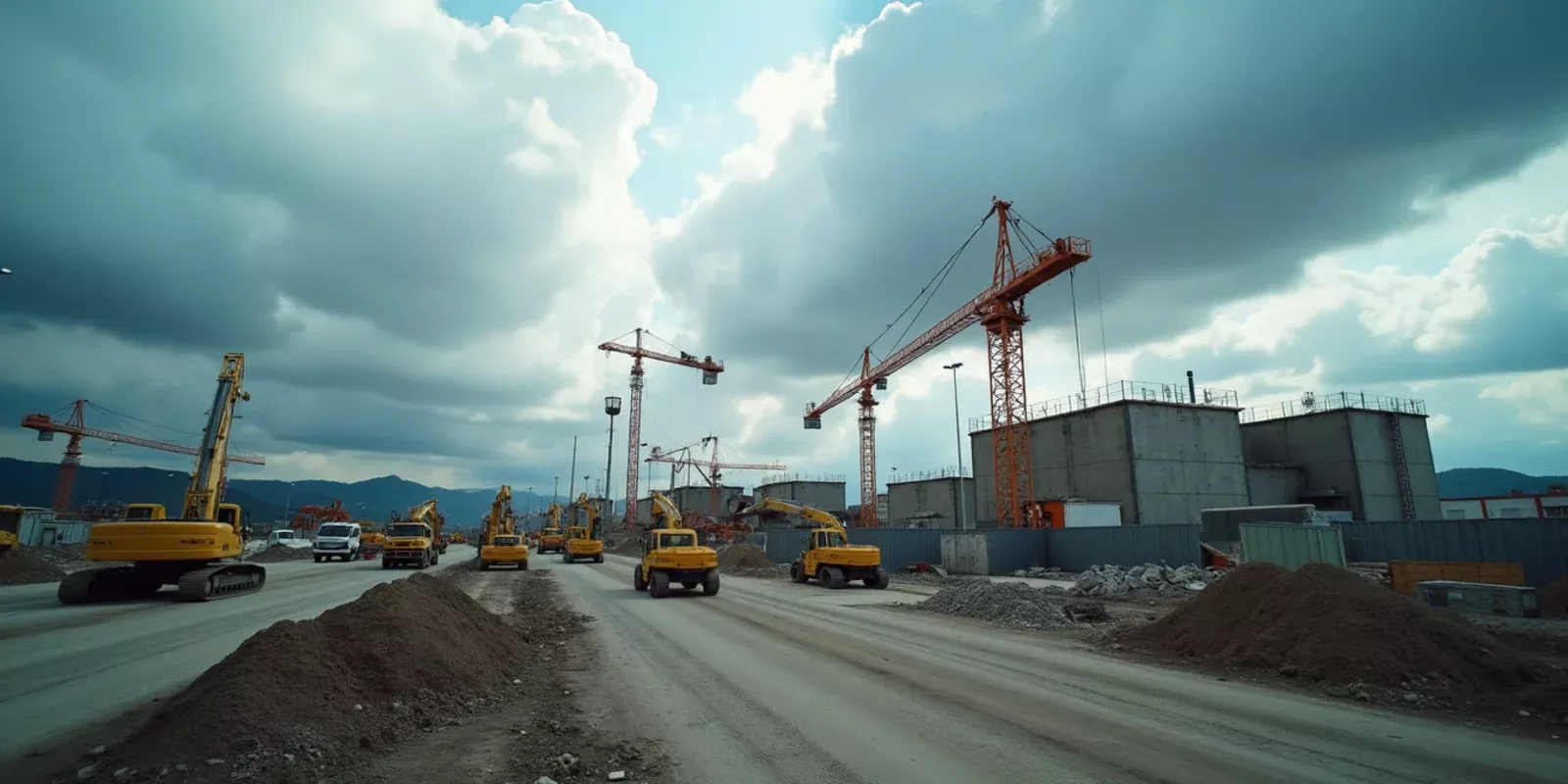
Delays in pre-construction projects can stem from various factors, including municipal permits, local regulations, climate conditions, design changes, and government reviews. Understanding these causes is essential for effective planning and execution. This article delves into the primary reasons for these delays and provides insights on how to prepare for them.
One of the most significant hurdles in pre-construction projects is obtaining municipal permits. This process can vary widely depending on the location and the specific requirements of each municipality. I have experienced delays due to missing documents or incorrect submissions. In one project, our team submitted a permit application that lacked crucial details, resulting in a two-month delay.
To avoid such setbacks, it's vital to familiarize yourself with local requirements before starting the application process. Consulting with a local architect or contractor can also provide insights into common pitfalls.
Local regulations often dictate what can and cannot be done on a construction site. These rules can cover zoning laws, safety codes, and environmental impact assessments. I once worked on a project that required an environmental study which had not been anticipated. The unexpected requirement pushed our timeline back by several weeks.
A friend of mine was involved in a residential development that faced significant zoning issues. The area was initially approved for commercial use only. It took six months of negotiations with city planners to amend the zoning, significantly delaying the project.
Weather can wreak havoc on construction schedules. Rainstorms, snow, or extreme temperatures can halt work entirely. During a recent project, we encountered unexpected heavy rains that made it impossible to pour concrete for nearly three weeks.
Another instance involved a large commercial building being constructed in a region known for harsh winters. The team underestimated the potential for snow-related delays, resulting in the completion date being pushed back by several months.
Changes in design can also cause delays. Sometimes clients request modifications after construction has begun, which can disrupt workflows. In one instance, I was asked to change the layout of a commercial space midway through construction. This led to a month-long delay as we had to redraw plans and reapply for certain permits.
A colleague faced a similar situation when a client decided to add more office space just before drywall installation started. The additional time required for revisions meant pushing back the entire schedule by several weeks.
Government reviews are essential but can be time-consuming. Each project typically requires multiple layers of approval from various departments. I once saw a project stalled for months due to prolonged reviews related to safety codes and fire regulations.
A project manager I know faced extensive delays because of strict fire safety inspections mandated by the local government. The initial timeline did not account for this review period, leading to frustrations all around.
Need help navigating these challenges? Don't hesitate to reach out!
If you want to ensure your project stays on track despite these potential delays, I'm here to help!
Your pre-construction project doesn't have to be fraught with unexpected issues—let's chat!
The most common causes include delays in obtaining municipal permits, navigating local regulations, adverse weather conditions, design changes requested by clients, and lengthy government reviews.
You can minimize permit delays by thoroughly researching local requirements beforehand and ensuring all documentation is accurate and complete before submission.
If weather impacts your schedule, communicate with your team and adjust timelines accordingly while keeping stakeholders informed about potential impacts on completion dates.
While design changes can introduce delays, they are sometimes necessary for meeting client needs or improving project outcomes. It’s crucial to manage expectations regarding timelines when changes occur.
Consulting with local architects, contractors familiar with the area, or even city planners can provide valuable insights into navigating local regulations effectively.
If you’re looking for expert guidance on managing pre-construction projects and avoiding common pitfalls, I'm here to help you navigate these challenges effectively. My name is LUCIA LLERENA, and I have years of experience in this field. Feel free to reach out so we can discuss your specific needs!

Originally from Peru, I bring an international background and over two decades of experience living in South Florida. My journey through Canada and Texas shaped my understanding of diverse markets and multicultural clients — perspective that today strengthens the way I represent buyers, sellers, and investors.
I believe real estate is more than a transaction. It’s about strategic decisions, long-term vision, and guiding each client with clarity, professionalism, and care.
Pros and Cons of Buying a Home in Davie FL: What Buyers Need to Consider
When buying a home in Davie, it's essential to consider factors like home prices, quality of life, maintenance costs, traffic patterns, and resale potential. Understanding these elements can significantly impact your purchasing decision and long-term satisfaction.
Finding Safe Neighborhoods in Miami
Looking for a safe place to live in Miami? This article explores neighborhoods like Coconut Grove, Coral Gables, Pinecrest, Key Biscayne, and South Miami. Each area offers unique benefits for different lifestyles, helping you make an informed decision.
Safest Suburbs Near Miami for Families
This article explores the safest suburbs near Miami, focusing on Coral Gables, South Miami, and Pinecrest. It discusses their low crime rates, community engagement, and local amenities, providing insights for families considering relocation to these areas.