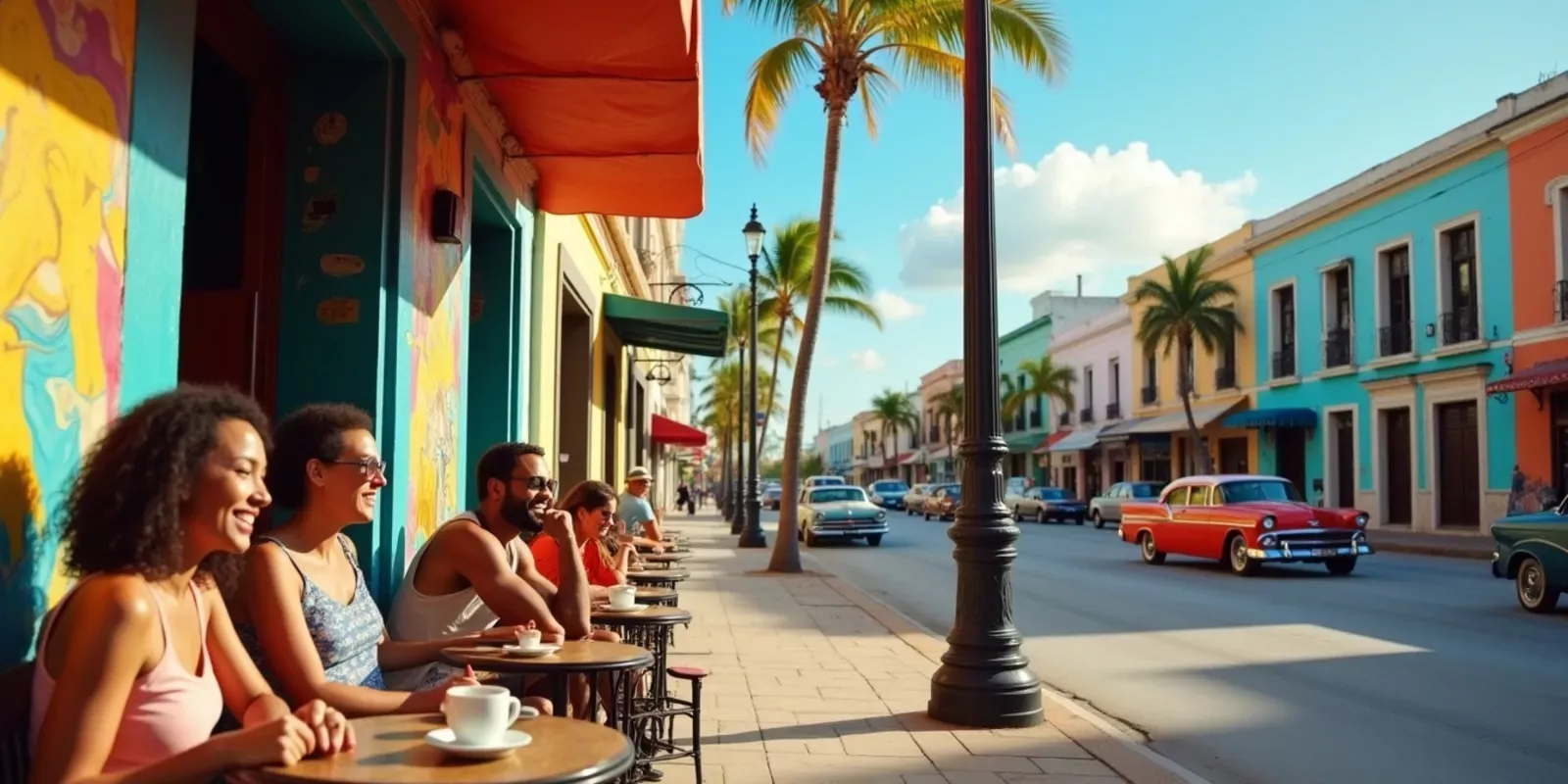
Moving to Miami is an exciting adventure filled with diverse cultures, vibrant nightlife, and beautiful beaches. However, there are essential aspects to consider before making the transition. This article covers the most important factors, from the cost of living to neighborhood dynamics, that can help you prepare for your new life in the Magic City.
The cost of living in Miami can be surprisingly high. Rent is often the largest expense. As of recent data, the average rent for a one-bedroom apartment in the city center hovers around $2,500. If you're looking at areas outside downtown, expect prices closer to $1,800.
Food costs are another consideration. Dining out can be affordable if you stick to local spots. However, upscale restaurants can drain your wallet quickly. Grocery prices tend to be on par with national averages, but fresh produce may vary depending on the season.
Consider budgeting an extra 10-15% for unexpected expenses when planning your move to Miami.
Miami has a tropical climate. This means hot and humid summers with temperatures often exceeding 90°F (32°C). Winters are mild and pleasant, with average temperatures around 75°F (24°C).
Hurricane season runs from June to November. It's essential to stay informed about weather updates during this period. Many residents recommend investing in good insurance and preparing an emergency kit.
The humidity can be a shock for newcomers. It’s not just about heat; it’s about feeling sticky all day long. Air conditioning is a must-have in homes and cars.
Don’t forget sunscreen! The sun is strong here year-round.
Choosing the right neighborhood is crucial. Miami offers various options catering to different lifestyles.
I moved into Little Havana last year. The community feels close-knit, and I quickly made friends at local coffee shops. However, noise levels can be high due to late-night festivities.
If you value community events and culture, explore neighborhoods like Little Havana or Little Haiti!
The job market in Miami is diverse. Key industries include tourism, finance, healthcare, and technology. Major employers include hospitals like Jackson Health System and tech firms such as Magic Leap.
If you're looking for work, networking is key. Attend local meetups or professional gatherings to connect with others in your field.
Your network can often lead to opportunities that aren’t advertised publicly!
Getting around Miami presents its challenges. Traffic congestion is common during rush hours. Public transportation includes buses and the Metrorail system, but they may not reach all neighborhoods efficiently.
If you own a car, factor in parking costs—especially in busy areas like South Beach where rates can skyrocket during peak season.
If possible, try using rideshare services during busy times to avoid parking hassles!
Sarah relocated from NYC last summer. She found Miami’s pace much slower but appreciated the lower cost of living compared to Manhattan. However, she struggled initially with traffic and navigating public transport.
Aidan moved here for a tech job after living in Seattle for five years. He was surprised by how different the work culture felt—less formal and more relationship-driven. He enjoyed networking events but found some industries more competitive than he expected.
Mike and Lisa chose Coral Gables because of its family-friendly environment. They found excellent schools but were surprised by how pricey childcare services could be compared to their previous city.
Miami has numerous healthcare facilities, including renowned hospitals like the University of Miami Hospital. It's wise to research plans ahead of time based on your specific needs.
While many locals speak English, learning basic Spanish can enhance your experience and help you connect better with the community.
The city hosts various cultural festivals throughout the year, including Art Basel Miami Beach and Calle Ocho Festival that celebrate diversity.
Joining clubs or attending community events can help you build friendships quickly. Look for local groups that align with your interests on platforms like Meetup.com.
Create an emergency plan that includes evacuation routes and supplies like water and non-perishable food items well before hurricane season starts.
If you’re considering moving to Miami or have questions about settling down here, I’m LUCIA LLERENA, an expert familiar with these nuances of life in this vibrant city. Feel free to reach out for personalized advice or insights tailored to your situation!

Originally from Peru, I bring an international background and over two decades of experience living in South Florida. My journey through Canada and Texas shaped my understanding of diverse markets and multicultural clients — perspective that today strengthens the way I represent buyers, sellers, and investors.
I believe real estate is more than a transaction. It’s about strategic decisions, long-term vision, and guiding each client with clarity, professionalism, and care.
Hurricane Protection: Shutters vs. Impact Windows
Hurricane shutters and impact windows are essential for protecting homes in storm-prone areas. This article explores their benefits, differences, and real-life case studies, helping homeowners make informed decisions about safeguarding their properties from hurricanes.
Is Miami a Safe Place to Live? Neighborhood-by-Neighborhood Safety Guide for New Residents
Moving to Miami involves understanding neighborhood safety, crime statistics, and community dynamics. This article offers insights into key factors for selecting a neighborhood, common mistakes to avoid, and real-life case studies to help make informed decisions.
Miami: The Cultural Gem of Florida
Miami is a vibrant city in Florida, known for its rich culture, stunning beaches, and diverse cuisine. This article explores Miami's status as a city, its historical significance, economic importance, and highlights popular attractions that define its unique charm.