What questions should you ask when buying a house?
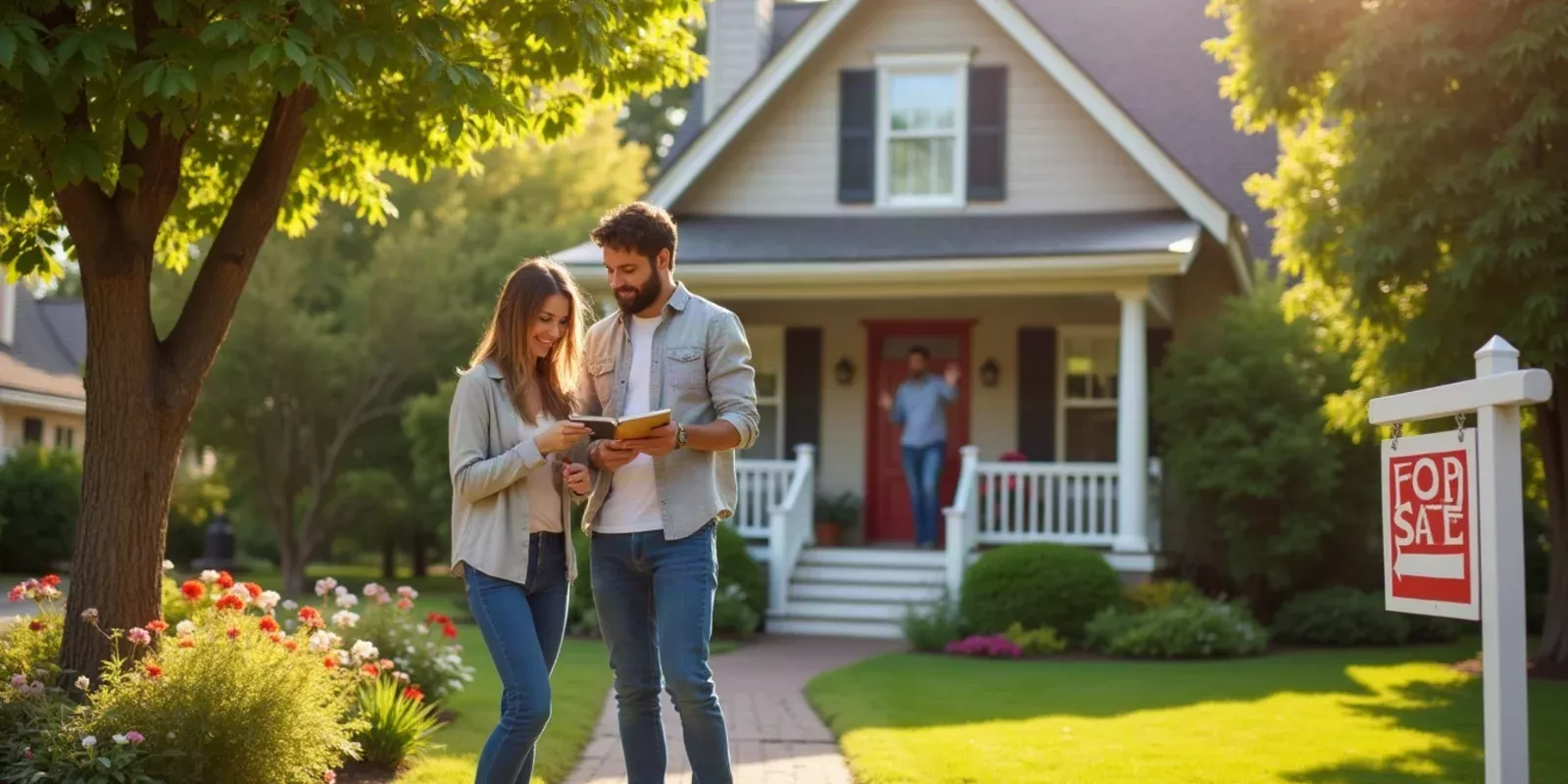
Buying a house is one of the biggest financial decisions many people will ever make. It requires careful consideration and a solid understanding of the market. This article discusses practical questions to ask when buying a house, drawing from real-life experiences and case studies. Whether you are a first-time buyer or looking for an investment property, knowing the right questions can save you time and money.
When I decided to buy my first home, I felt overwhelmed by the sheer amount of information available. From mortgage options to neighborhood amenities, every detail seemed crucial. After some trial and error, I realized that asking specific questions was key to making informed decisions. In this article, I’ll share those questions and highlight real-life examples of how they made a difference in my home-buying journey.
When Sarah was looking for her first home in Austin, Texas, she realized she needed to ask about local market trends. She learned that homes were selling quickly due to a booming tech industry in the area. By understanding this, she was able to make an offer on a property before it even hit the market.
Tom was interested in buying a house for his family in Chicago. He prioritized safety and wanted to know more about crime rates in different neighborhoods. By asking the right questions and researching online databases, he discovered which areas were safest for his children.
Laura purchased an older home in San Francisco and didn't think to ask about the property's condition thoroughly. After moving in, she faced costly repairs. If she had asked more detailed questions during the inspection process, she might have negotiated repairs or price adjustments before finalizing her purchase.
Curious about your own home-buying journey? Reach out to me for tailored advice!
During a viewing, inquire about the age of appliances, roof condition, and any recent renovations. These factors can affect your long-term costs.
Research online school rating websites or ask locals about their experiences with schools in the area. School quality can impact resale value.
If applicable, understand their fees, rules, and restrictions before purchasing. These can influence your lifestyle and expenses significantly.
Visit at different times of day and engage with residents. This gives insight into community dynamics and daily life.
Look into local grants or programs that offer down payment assistance. They can make purchasing a home more feasible financially.
If you're ready to start your home-buying journey or need personalized advice, contact me today!
Let’s discuss your options and what works best for you!
LUCIA LLERENA has extensive experience in real estate and understands the nuances of buying a home. If you have questions or need guidance tailored to your situation, don’t hesitate to get in touch with me at 19542264447.

Originally from Peru, I bring an international background and over two decades of experience living in South Florida. My journey through Canada and Texas shaped my understanding of diverse markets and multicultural clients — perspective that today strengthens the way I represent buyers, sellers, and investors.
I believe real estate is more than a transaction. It’s about strategic decisions, long-term vision, and guiding each client with clarity, professionalism, and care.
First-Time Home Buyer's Guide to Understanding Mortgage Interest Rates in Miami
This article serves as a comprehensive guide for first-time homebuyers, covering essential concepts like APR, fixed and variable rates, mortgage points, prequalification, preapproval, and approval factors. It provides practical examples and insights to help navigate the mortgage process effectively.
What is the home buying process like?
Buying a home is a significant journey involving financial assessments, finding a real estate agent, and making informed offers. This article explores the step-by-step process, shares real-life case studies, and addresses common FAQs to guide prospective homeowners.
How to Choose a Safe Neighborhood in Miami Before Buying a House
This article offers a practical guide for homebuyers on essential research steps. It covers how to investigate crime rates, visit communities, check school ratings, evaluate transportation options, consider HOA rules, analyze market trends, and consult local realtors.