Understanding CDD Fees in South Florida Communities
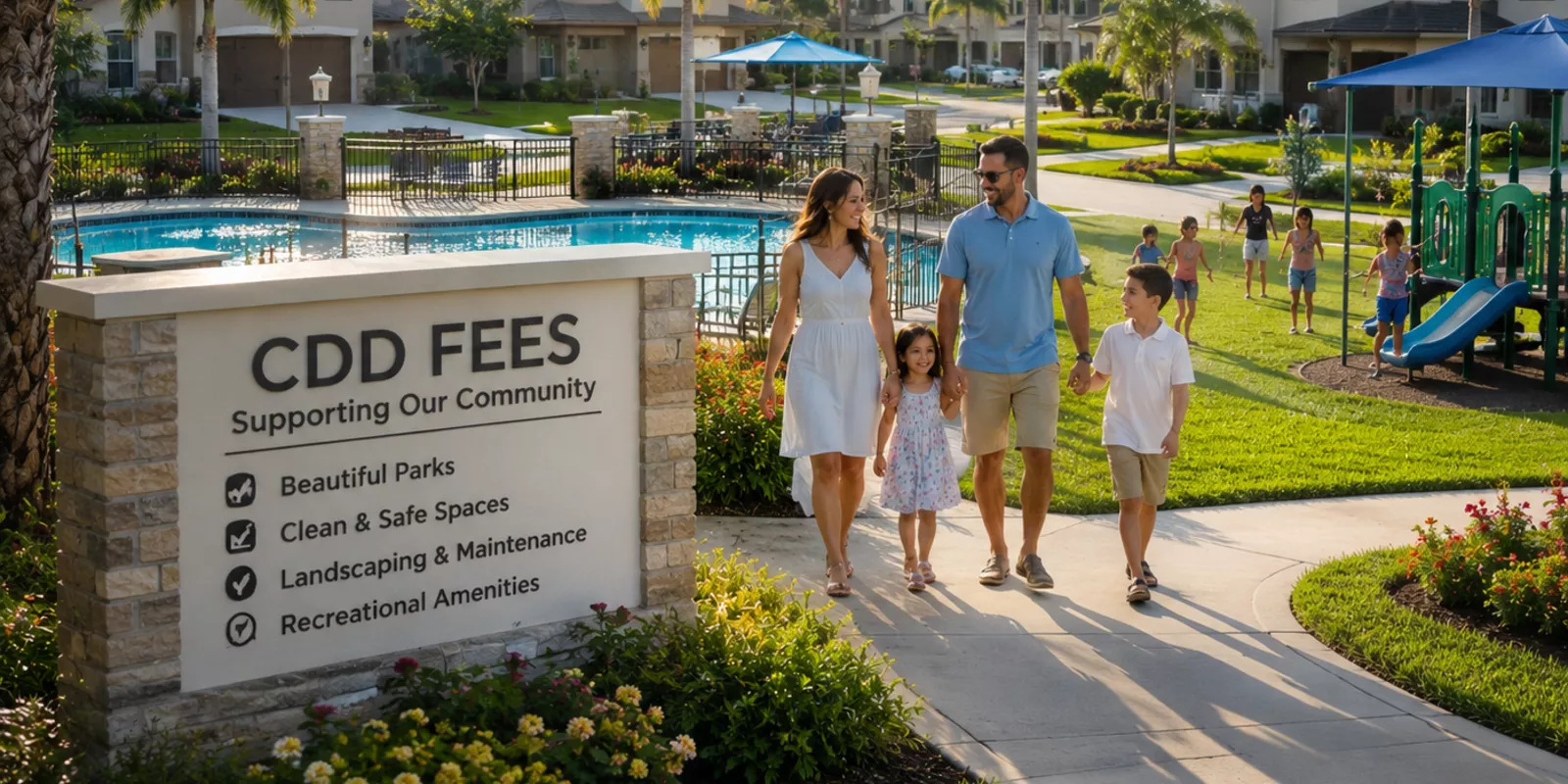
In South Florida, understanding CDD (Community Development District) fees is essential for potential homeowners and investors. These fees play a crucial role in funding community infrastructure and amenities. Knowing their implications can save you from unexpected financial burdens down the line.
A Community Development District fee is a type of assessment charged to property owners in certain communities, particularly in Florida. The primary purpose of these fees is to fund public infrastructure projects, such as roads, utilities, and amenities like parks and recreation facilities. If you buy a home in a community governed by a CDD, you will be responsible for paying these fees along with your regular property taxes.
The amount of the CDD fee can vary widely based on several factors, including the size of the community and the extent of the improvements being financed. In some cases, it can add hundreds or even thousands of dollars to your annual housing costs.
CDD fees are typically charged because they allow developers to finance necessary infrastructure without bearing the entire cost upfront. Instead, these costs are spread out over time through assessments on property owners. This model helps make communities more attractive to buyers by ensuring that roads, utilities, and amenities are funded and maintained.
Consider asking your real estate agent about the specific CDD fees for any property you're interested in.
The financing through CDDs often allows communities to provide more extensive amenities than would otherwise be feasible. For example, many new developments in South Florida feature resort-style pools, walking trails, and clubhouses that enhance the overall living experience.
I visited a newly developed community in Coral Springs recently where the CDD fees were around $2,500 per year. This fee helped finance beautiful common areas and recreational facilities. Residents appreciated the well-maintained parks but expressed concerns about how these fees could rise over time.
In Weston, I spoke with homeowners whose annual CDD fees were significantly lower at $1,200. Their community was established long ago, so initial development costs had already been covered. Many long-term residents were happy with the low fees but cautious about any future increases due to maintenance needs.
In Pembroke Pines, I found a community where developers marketed low initial CDD fees of just $800 per year. However, as more homes were built, residents noticed incremental increases in their assessments. It became clear that while low initial fees seemed appealing, they did not reflect long-term sustainability.
If you're considering buying a home in a community with CDD fees, don’t hesitate to do your research or reach out for advice!
CDD fees are usually calculated based on the cost of infrastructure needed for a community divided among property owners. Factors include the total project cost and number of properties.
Yes, CDD fees can increase based on maintenance costs or additional infrastructure needs. Always review potential increases before purchasing a property.
Certainly! Many communities offer well-maintained amenities and recreational facilities funded by these fees. You often get access to higher quality living environments.
Yes, if you live in a community with a CDD fee, you will pay both property taxes and your annual assessment.
Your real estate agent can provide this information during your home search. You can also look up details online through local government resources.
Feel free to reach out if you have more questions about navigating CDD fees!
LUCIA LLERENA is here to help you understand the complexities of real estate transactions involving CDD fees. With my experience in South Florida’s housing market, I can provide insights tailored to your specific needs. Don’t hesitate to contact me for personalized assistance!

Originally from Peru, I bring an international background and over two decades of experience living in South Florida. My journey through Canada and Texas shaped my understanding of diverse markets and multicultural clients — perspective that today strengthens the way I represent buyers, sellers, and investors.
I believe real estate is more than a transaction. It’s about strategic decisions, long-term vision, and guiding each client with clarity, professionalism, and care.
Understanding Cash Buyers in Miami Real Estate
In Miami's competitive real estate market, cash buyers are crucial for quick sales. This article explores their characteristics, benefits for sellers, and real-life case studies. Learn how to effectively engage with cash buyers and streamline your selling process.
Miami Relocation Guide: Your Path to a New Home
Moving to Miami offers exciting opportunities but requires careful planning. This guide covers essential topics like neighborhood choices, job market insights, and real-life case studies. Get practical tips and personal experiences to ensure a smooth transition.
How to Determine the Right Listing Price
Setting the right listing price is vital for attracting buyers and selling your home quickly. Using market analysis, professional appraisals, and understanding your goals helps establish a competitive price that maximizes returns and avoids prolonged market time.