The Best Miami Neighborhoods with Low Crime Rates and Strong Property Value Growth
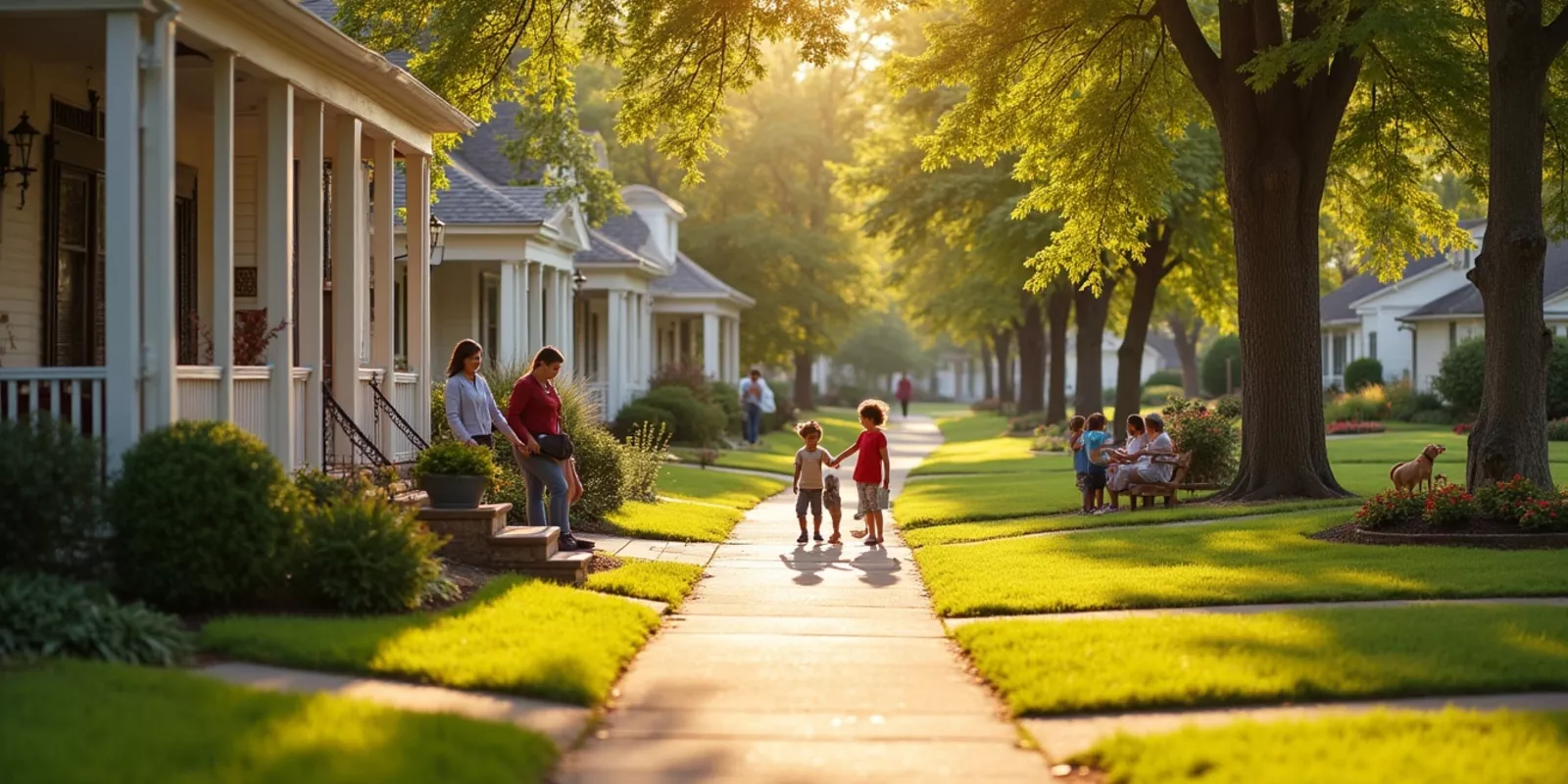
In this article, we will explore the relationship between safety and real estate performance. We will discuss how safer neighborhoods often experience higher demand, better appreciation, and price stability. Through concrete examples and practical insights, this guide aims to assist both buyers and investors in making informed decisions.
The connection between safety and real estate is evident in many markets. Buyers tend to gravitate towards neighborhoods where they feel secure. This preference translates into a higher demand for properties in these areas, impacting their overall performance. As a potential buyer or investor, understanding this dynamic can provide a significant advantage.
Safer neighborhoods typically maintain a higher demand for several reasons. For one, families are more inclined to purchase homes in areas where they feel their children can play outside without fear. Additionally, the perception of safety can lead to more investments in local amenities, which further enhances property values.
Properties in safe neighborhoods usually see better appreciation rates compared to those in less secure areas. According to data from the National Association of Realtors, homes in safe regions appreciate approximately 15% faster over a five-year period than those in high-crime areas.
Price stability is another advantage of investing in safer neighborhoods. Properties tend to hold their value better during market downturns. For instance, during the economic recession of 2008, homes in secure neighborhoods were less affected than those in areas with higher crime rates.
If you're considering investing, think about safety first. It's not just about the property but the community.
The demand for rentals also mirrors this trend. Many tenants prefer secure neighborhoods, leading landlords to charge higher rents for properties located in these areas. In a recent study by Zillow, it was found that rental prices in safe neighborhoods can be up to 30% higher than those in less secure locations.
Detroit has seen significant urban revitalization efforts over the last decade. Neighborhoods like Corktown have experienced a surge in demand as safety has improved due to community initiatives. Properties that once sold for $50,000 are now fetching over $200,000 as new businesses open and crime rates drop.
Austin's suburbs like Cedar Park highlight the importance of safety for buyers. The city's crime rates are low, attracting families seeking quality schools and safe environments. As a result, homes here appreciate at rates significantly above the national average.
In Brooklyn's neighborhoods such as Bushwick, gentrification has led to increased property values. While some argue it pushes out long-term residents, it undeniably showcases how safety improvements lead to higher demand and appreciation.
Your future investment success may hinge on choosing the right neighborhood—don't overlook safety!
You can start by checking local crime statistics through police department websites or community resources like NeighborhoodScout or AreaVibes.
Yes! Look for increases in local businesses opening, community engagement initiatives, or reports of declining crime rates over time.
Generally, yes. Properties in safer areas tend to appreciate more quickly and hold their value better during economic downturns.
Utilize online platforms like Zillow, Realtor.com, or local real estate agents who specialize in the area you're interested in.
Absolutely! If you find that a property is priced similarly to others in less safe neighborhoods, you can use this information during negotiations.
LUCIA LLERENA is committed to helping buyers and investors navigate the complexities of real estate decisions with an emphasis on safety and community dynamics. If you have any questions or need personalized advice regarding your next investment move, feel free to reach out!

Originally from Peru, I bring an international background and over two decades of experience living in South Florida. My journey through Canada and Texas shaped my understanding of diverse markets and multicultural clients — perspective that today strengthens the way I represent buyers, sellers, and investors.
I believe real estate is more than a transaction. It’s about strategic decisions, long-term vision, and guiding each client with clarity, professionalism, and care.
Effective Property Management for South Florida Investors
In South Florida, property management services are essential for investors in short-term and long-term rentals. These professionals streamline operations, enhance tenant relations, and improve profitability, making property ownership more manageable and rewarding.
Recovering FIRPTA Withholdings for Foreign Investors
FIRPTA requires withholding tax on the sale of U.S. real estate by foreign sellers. This article explains how foreign investors can recover withheld funds, featuring case studies to illustrate the process and offering practical insights into navigating FIRPTA regulations.
Navigating Foreclosure Investments: Risks and Rewards
Investing in foreclosure properties can be enticing due to lower prices, but it often comes with hidden challenges. This article explores the potential risks and rewards of buying foreclosures, supported by real-life case studies and practical insights.