Creating a will involves many decisions, including whether to designate specific properties to specific beneficiaries or to distribute real estate as part of a general residual estate. This article explores the nuances of these choices, along with practical examples and insights from my own experience.
When drafting a will, one major consideration is how to allocate your assets. You can either assign specific properties to named beneficiaries or include real estate in a general distribution plan. I have witnessed firsthand how this decision can impact family dynamics and financial outcomes after someone passes away. In this article, I will share insights and case studies based on my experiences, which may help you make more informed choices when planning your estate.
Choosing between specific bequests and general distributions often depends on your family's situation and the properties involved. A specific bequest is straightforward: it designates particular items or properties to individuals. For example, you might leave your Miami condo to your niece, ensuring she has a place to stay during her visits.
On the other hand, a general distribution might mean that all your real estate is sold, and the proceeds are divided among heirs. This method is often simpler but can lead to disagreements if family members feel entitled to certain properties. Each approach has its pros and cons, so consider what aligns best with your intentions.
A friend of mine named Sarah recently updated her will. She owned a condo in Miami, which she adored. Instead of listing it as part of her general estate, she decided to leave it specifically to her niece who had always admired it. When Sarah passed away, there were no disputes over the property. Her niece felt honored and appreciated her aunt's thoughtful choice.
In another instance, my uncle owned a family farm that had been passed down for generations. He chose a general distribution for his estate, wanting his children to split the value equally rather than assigning the farm to just one child. However, this decision led to conflict among siblings who had different attachments and visions for the property. Ultimately, they sold the farm out of frustration, which left some family members feeling resentful.
Lastly, I encountered a couple who co-owned several rental properties. They opted for specific bequests for each property based on their children's interests. One child loved managing the family beach house while another was keen on real estate investment. This careful planning allowed for smooth transitions after their passing and minimized disputes among siblings.
Thinking about your legacy? Reach out to discuss how you can best structure your will.
Every choice matters when planning your estate—let's talk about yours!
If you need guidance on drafting your will, I'm here to help!
A specific bequest is when you designate certain assets or properties to specific individuals in your will.
A general distribution refers to dividing the value of all assets among heirs rather than assigning specific items.
You can prevent disputes by clearly communicating your intentions and considering each heir's feelings toward particular assets when drafting your will.
It's advisable to consult an attorney who specializes in estate planning to ensure your wishes are legally documented and enforceable.
Yes, you can amend your will at any time as long as you follow legal procedures for making changes.
LUCIA LLERENA has extensive experience in estate planning and understands the intricacies involved in wills and property distribution. If you're considering how best to structure your will or have questions about asset allocation, feel free to get in touch with me at 19542264447. I'm here to help guide you through the process with expertise and care.
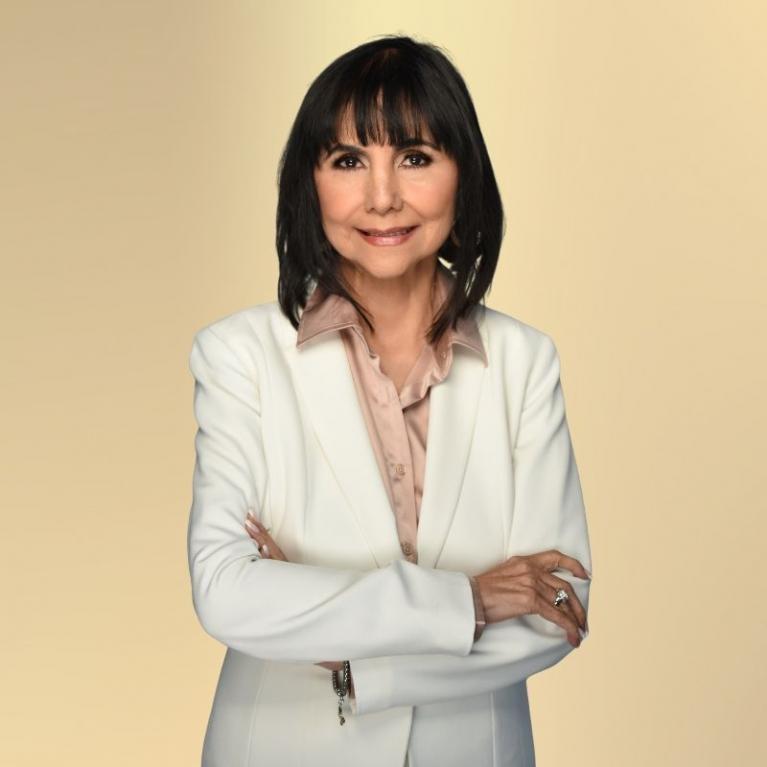
Originally from Peru, I bring an international background and over two decades of experience living in South Florida. My journey through Canada and Texas shaped my understanding of diverse markets and multicultural clients — perspective that today strengthens the way I represent buyers, sellers, and investors.
I believe real estate is more than a transaction. It’s about strategic decisions, long-term vision, and guiding each client with clarity, professionalism, and care.
Understanding Wills and Real Estate Planning
Creating a will is essential for estate planning, especially regarding real estate. It clarifies heirs' intentions, whether to keep or sell property, and specifies who can make decisions. This article explores key considerations and provides case studies for practical insights.
Navigating Wills and Successions in Complex Situations
This article explores the complexities of wills and successions when multiple owners are involved, highlighting case studies that illustrate common disputes. It emphasizes the importance of clear estate planning to avoid conflicts among family members and partners.
Understanding Executors in Estate Planning
Creating a will is crucial for ensuring your wishes are honored after your passing. Appointing the right executor can simplify estate management and distribution. This article explores executor responsibilities, offers case studies, and answers common questions about wills.