Navigating Remote Online Notarization: A Guide
Are you considering a career in remote online notarization? The demand for remote online notaries has surged in recent years, driven by the increasing need for convenient and accessible notarization services. This article explores the ins and outs of becoming a remote online notary, providing practical insights and case studies to help you navigate this growing field.
The rise of digital technology has transformed many industries, and notarization is no exception. Remote online notarization (RON) allows notaries to perform their duties without being physically present with the signers. This flexibility appeals to busy professionals and individuals seeking efficient service. However, the process requires specific skills and knowledge about legal regulations.
Curious about how I can help you with your remote online notarization needs? Let's chat!
To embark on this journey, it's essential to understand both the technical aspects and the legal requirements of RON. The necessary training often involves understanding how to use electronic notary platforms, ensuring compliance with state laws, and developing strong communication skills. It's not just about having a stamp; it's about providing a reliable service.
Maria became a remote online notary after working in real estate for several years. She noticed a gap in her market—clients needed flexible options for signing documents during busy hours. After completing her training, she signed up with an established RON platform.
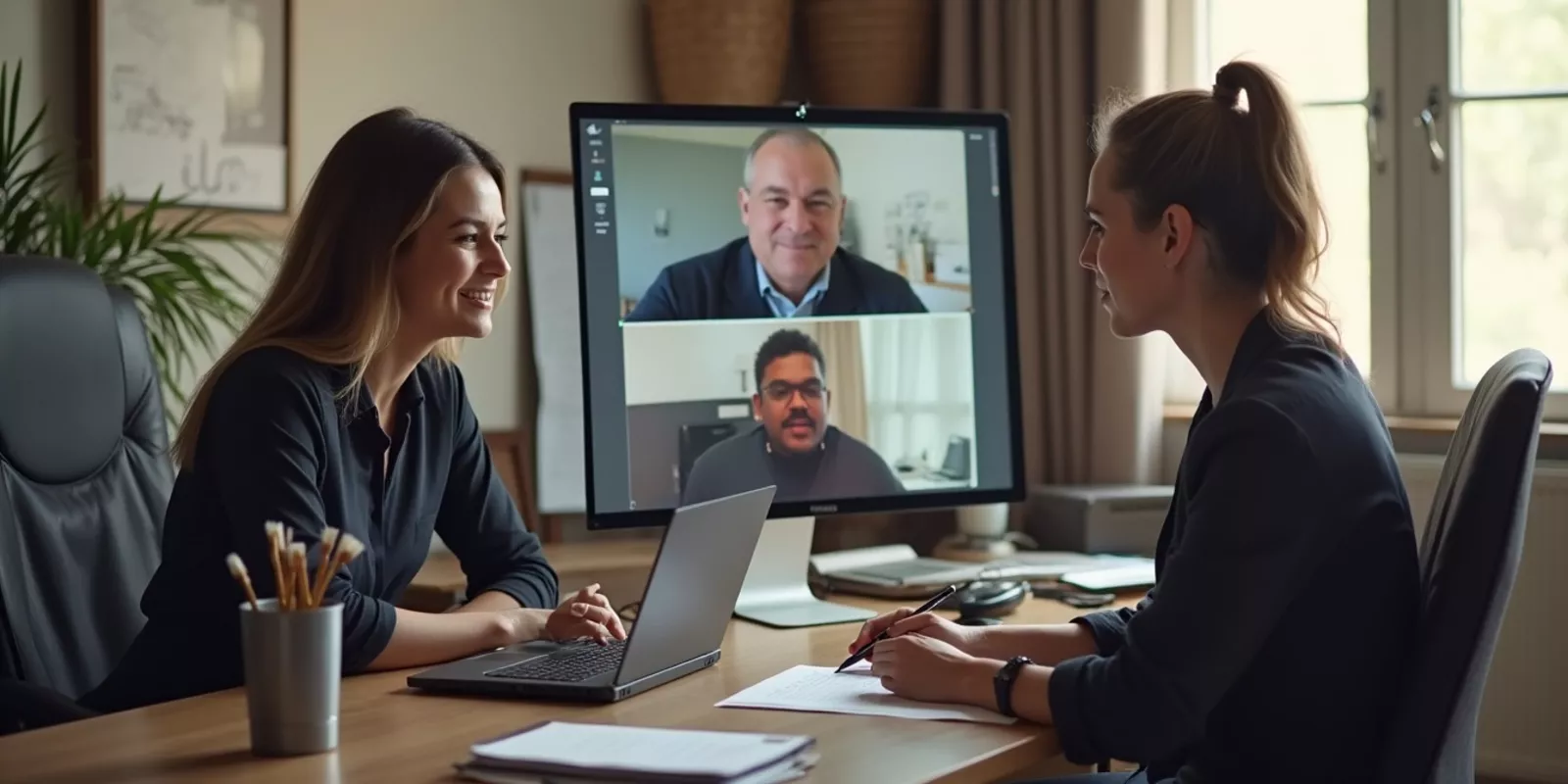
In her first month, Maria conducted ten notarizations. One memorable experience involved a couple needing to finalize their home purchase from different states. With the help of video conferencing tools, she guided them through the process seamlessly.
James, an experienced notary in Texas, decided to go remote when the pandemic hit. However, he faced hurdles due to varying state regulations regarding RON. He spent weeks researching and attending webinars to ensure compliance.
His diligence paid off when he successfully closed multiple transactions remotely for clients who preferred staying at home. This case highlights the importance of staying informed about local laws when transitioning to remote notarization.
If you're thinking about becoming a remote online notary, don't hesitate! Reach out for guidance.
Lisa was apprehensive about the technology involved in remote online notarization. Having worked primarily with paper documents, she struggled initially with video software and e-signature platforms.
Through practice and tutorials, she became proficient. Her breakthrough moment came when she completed a complex loan document for a client overseas. By embracing technology, Lisa not only expanded her skill set but also opened doors to international clients.
Remote online notarization allows notaries to perform their duties using audio-visual technology without needing to meet signers in person.
Requirements vary by state but generally include being a commissioned notary public, completing specific training on RON procedures, and using an approved platform.
No, you must comply with your state's laws regarding RON. Some states have specific regulations that govern how remote notarizations are conducted.
Building a client base can be achieved through networking, social media marketing, and partnerships with businesses that require notarization services.
Yes, staying updated on changes in laws and technology is crucial. Many states require continuing education credits for notaries.
I’m here to answer any questions you have about becoming a remote online notary. Let's connect!
If you're ready to explore the exciting world of remote online notarization or need further assistance, I'm Lucia Llerena. With extensive experience in this field, I can guide you through every step of the process. Feel free to reach out anytime at (195) 422-64447.

Originally from Peru, I bring an international background and over two decades of experience living in South Florida. My journey through Canada and Texas shaped my understanding of diverse markets and multicultural clients — perspective that today strengthens the way I represent buyers, sellers, and investors.
I believe real estate is more than a transaction. It’s about strategic decisions, long-term vision, and guiding each client with clarity, professionalism, and care.
Maximizing Your First Home as an Investment
Investing in real estate can start with your first home. This article explores strategies like renting out, house hacking, and waiting for property appreciation. With practical case studies, it offers insights into maximizing your investment potential effectively.
Understanding FIRPTA Withholding Tax for Sellers
This article explores the withholding tax implications for international buyers selling property in Miami under FIRPTA. It explains what withholding tax is, provides case studies of different sellers, and answers common FAQs about the process and requirements.
Buy or Rent in Miami: Making the Right Choice
Deciding whether to buy or rent in Miami involves evaluating financial readiness, lifestyle preferences, and market conditions. This article explores the pros and cons of each option, supported by real-life case studies, to help you make an informed decision.