Navigating Miami Property Tax Rates Effectively
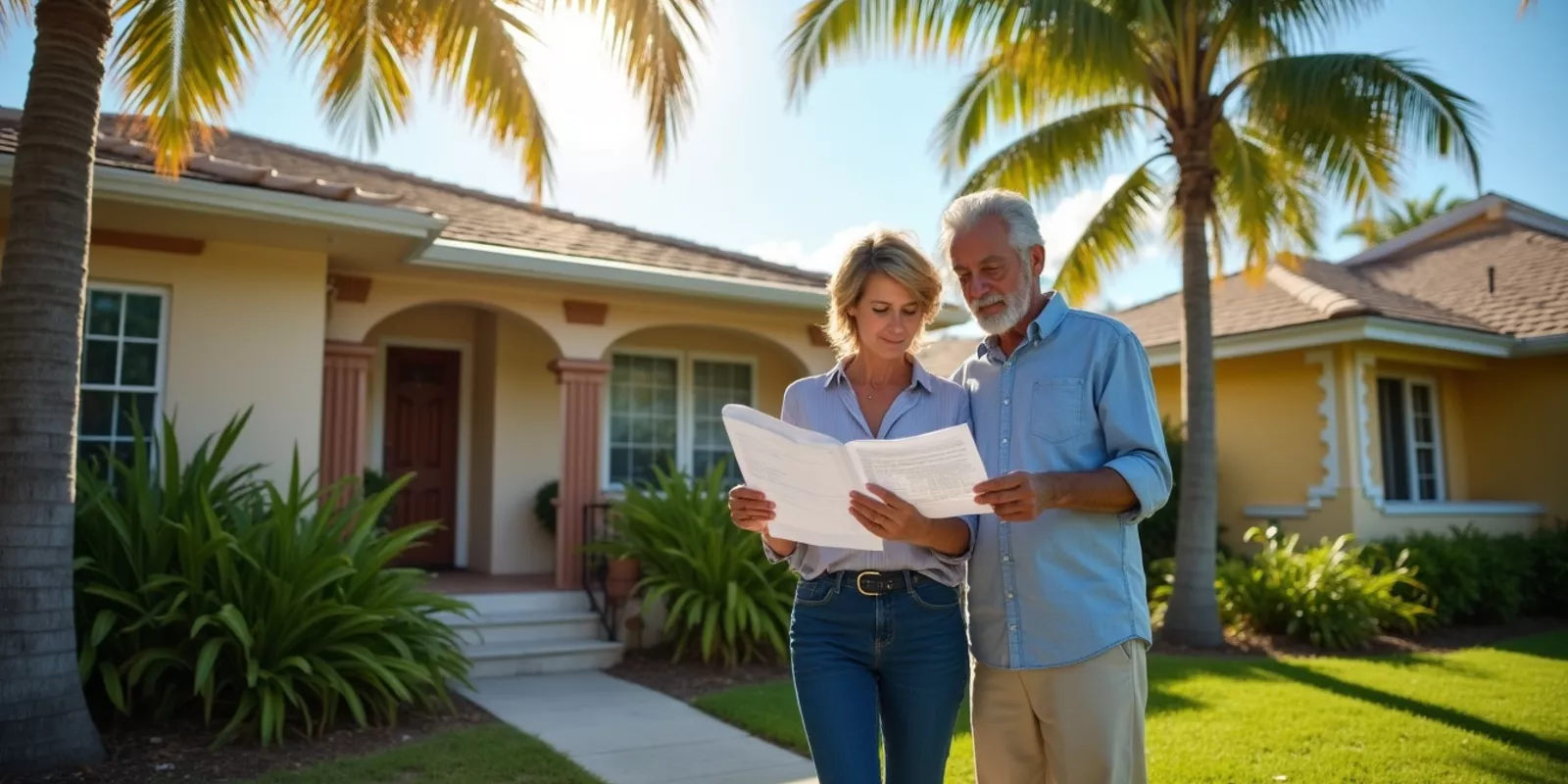
Understanding Miami property tax rates is essential for homeowners and potential buyers. Navigating these taxes can seem overwhelming, but with the right information, you can make informed decisions. This article delves into the complexities of property tax rates in Miami, offering practical insights and real-life case studies.
Miami property tax rates can significantly affect your financial planning. In Florida, property taxes are based on the assessed value of the property, which is determined by local property appraisers. The rate varies depending on the area, making it vital to understand your specific situation. As a homeowner in Miami, I have navigated these waters myself and learned some key lessons along the way.
The first step in comprehending Miami's property taxes is to recognize how they are calculated. Property taxes are expressed as a millage rate, which is the amount per $1,000 of assessed property value. In 2023, Miami-Dade County's average millage rate was around 1.78%. However, this can vary by municipality.
Several factors can influence your property tax rates:
It's crucial to check with the Miami-Dade County Property Appraiser’s website for the most current rates and available exemptions.
When I purchased my first home in Coral Gables, I was shocked at how high my property taxes were compared to what I had anticipated. I quickly learned that understanding exemptions could save me money. By applying for the Homestead Exemption, I reduced my taxable value and saved approximately $500 annually.
A friend who invested in rental properties in Wynwood faced an increase in property tax after renovations. While his property’s assessed value went up due to improvements, he found that not all renovations would increase his tax base significantly. His experience taught me that keeping track of what actually impacts assessed values is crucial for budget planning.
A long-time resident of South Beach shared her story about rising taxes as a concern for retirees. She mentioned how she explored various exemptions available for seniors and disabled individuals. After doing some research, she applied for the Senior Exemption, which helped offset her increasing costs during retirement.
If you’re considering buying or selling a property in Miami, don’t hesitate to reach out for tailored advice!
Understanding property taxes is key to effective budgeting—let’s navigate this together!
Your financial future depends on informed decisions—contact me today!
Your property's assessed value is determined by local appraisers based on market conditions, sales data, and physical attributes of your home.
Yes, Florida offers several exemptions like the Homestead Exemption for primary residences and additional exemptions for seniors and disabled individuals.
In Florida, properties are typically reassessed every year to reflect current market conditions and improvements made to the property.
Yes, homeowners can appeal their property's assessed value if they believe it has been overvalued. This process involves submitting evidence to the Value Adjustment Board.
You can find information on local tax rates on the Miami-Dade County Property Appraiser's official website or by contacting their office directly.
If you’re feeling uncertain about Miami property tax rates or need guidance through this complex landscape, I'm here to help! With years of experience in real estate and a deep understanding of local regulations, I’m dedicated to ensuring you make informed decisions about your property investments. Feel free to reach out at (195) 422-6447.

Originally from Peru, I bring an international background and over two decades of experience living in South Florida. My journey through Canada and Texas shaped my understanding of diverse markets and multicultural clients — perspective that today strengthens the way I represent buyers, sellers, and investors.
I believe real estate is more than a transaction. It’s about strategic decisions, long-term vision, and guiding each client with clarity, professionalism, and care.
Miami Property Tax Savings Guide: Legal Ways Homeowners Can Lower Their Annual Tax Bill
This article provides practical legal strategies for reducing property taxes in Miami. It covers the Homestead Exemption, the process for appealing property valuations, available benefits for homeowners, and best practices to navigate the tax system effectively.
Buying Property in Miami: A Guide for Foreigners
Foreigners can buy property in Miami with ease, attracted by its vibrant culture and investment opportunities. This article explores the requirements, tax implications, and real-life case studies to guide international buyers in navigating the Miami real estate market.
How Long Does It Take to Get Building Permits in South Florida Before Construction Begins?
The article discusses the permitting process in South Florida, highlighting average timelines, involved agencies, and factors affecting approvals. It offers practical insights through case studies and addresses common questions to help navigate the complexities of obtaining permits effectively.