Navigating Flood Zones: What to Avoid
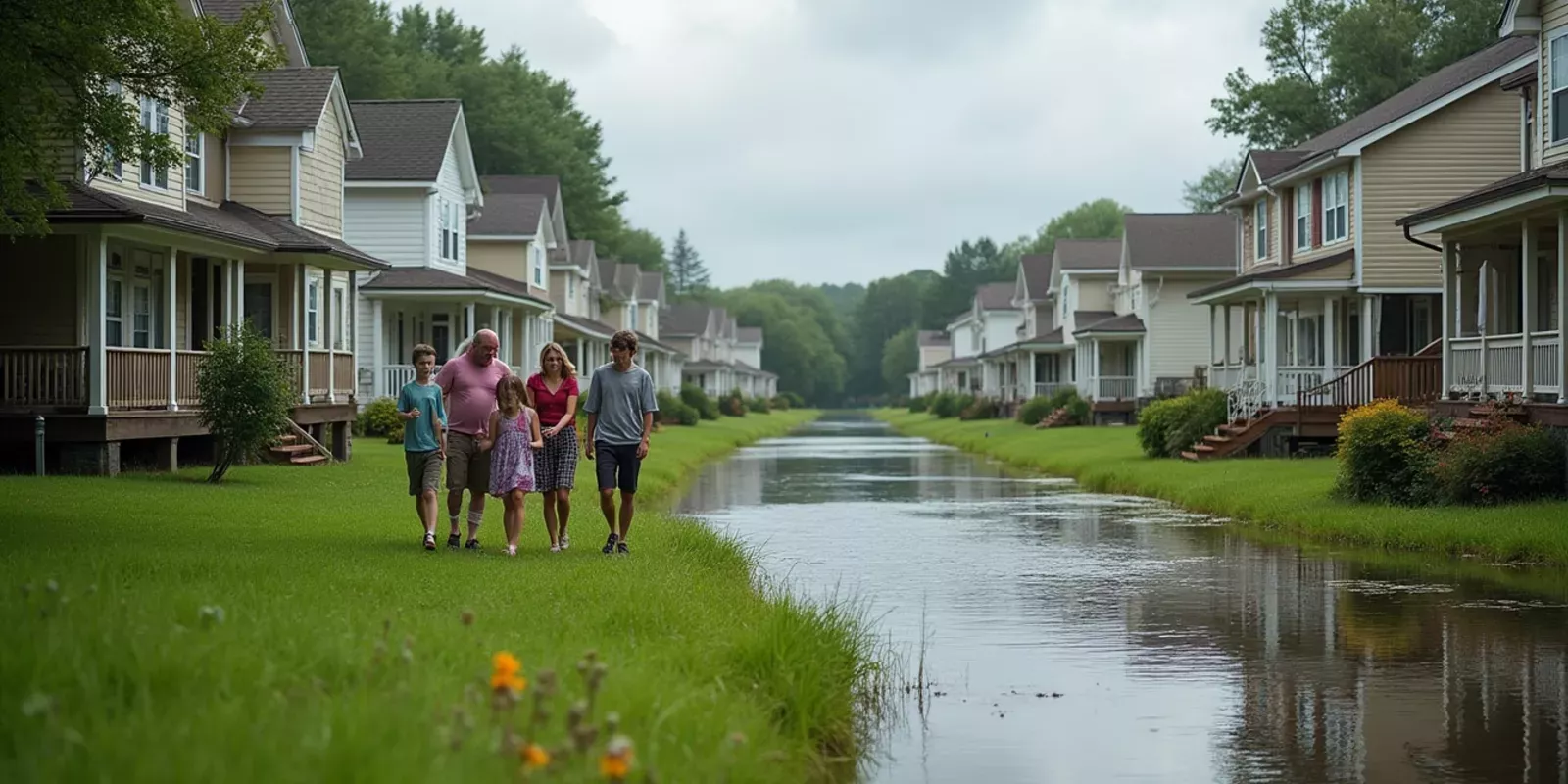
When considering property investments or planning where to live, understanding flood zones is crucial. Flood zones vary by region and can significantly impact insurance costs and safety. This article explores which flood zones to avoid, based on local data, personal experiences, and practical advice.
Flood zones are designated areas that are at risk for flooding, often due to proximity to bodies of water. These zones are categorized by the Federal Emergency Management Agency (FEMA) into different classifications based on their risk levels. Understanding which flood zones to avoid can save you from potential financial loss and ensure your safety.
FEMA categorizes flood zones into several types:
It's essential to research specific local flood maps. For instance, many online resources allow you to view flood risks based on your address.
The primary reasons for avoiding certain flood zones include:
In Houston, Texas, Hurricane Harvey caused unprecedented flooding in 2017. Many neighborhoods located in A Zones experienced devastating damage. Homeowners found themselves dealing with not just property damage but also skyrocketing insurance rates and long recovery times. Those who had avoided these areas reported less stress during the recovery process and lower financial impact.
The lessons learned from Hurricane Katrina are still relevant today. New Orleans has numerous areas classified as V Zones due to their susceptibility to storm surges. After the hurricane, many properties in these zones saw value drop significantly. Residents who opted for safer locations often faced fewer hurdles during recovery and enjoyed better community stability.
Miami's waterfront properties attract buyers but come with significant flood risks, particularly in V Zones. Those purchasing homes here must weigh the aesthetic appeal against potential flooding threats. Many who chose inland properties reported peace of mind and lower insurance costs compared to their beachfront counterparts.
Consider your options carefully when buying property in known flood zones. It's always better to err on the side of caution.
If you’re unsure about a specific area, consult local experts or get an updated flood map before making any decisions.
Your safety is paramount. Don't let the allure of a beautiful location overshadow the importance of being informed about flood risks.
A flood zone is an area designated by FEMA that indicates its risk level for flooding. These are typically shown on flood maps.
You can check FEMA's Flood Map Service Center or consult local government resources for specific information about your property's status.
If you're in a high-risk area, consider purchasing flood insurance and implementing mitigation strategies like elevating your home or using flood-resistant materials.
No, they differ based on their risk levels—A Zones are high-risk while X Zones have lower chances of flooding.
Yes, but lenders often require flood insurance for properties located in high-risk zones before approving loans.
LUCIA LLERENA has extensive experience navigating real estate investments and property safety concerning flood zones. If you have more questions or need personalized advice regarding properties near you, feel free to reach out for expert guidance!

Originally from Peru, I bring an international background and over two decades of experience living in South Florida. My journey through Canada and Texas shaped my understanding of diverse markets and multicultural clients — perspective that today strengthens the way I represent buyers, sellers, and investors.
I believe real estate is more than a transaction. It’s about strategic decisions, long-term vision, and guiding each client with clarity, professionalism, and care.
Is Miami a Safe Place to Live? Neighborhood-by-Neighborhood Safety Guide for New Residents
Moving to Miami involves understanding neighborhood safety, crime statistics, and community dynamics. This article offers insights into key factors for selecting a neighborhood, common mistakes to avoid, and real-life case studies to help make informed decisions.
What to Know Before Moving to Miami
Moving to Miami offers a vibrant lifestyle with diverse cultures, but it's important to consider the cost of living, climate, neighborhoods, job market, and transportation. This article provides practical insights and real experiences to help you prepare for your new life.
Is additional insurance needed to cover climate-related risks?
In this article, we explore the importance of additional insurance coverage for climate-related risks in Florida. With increasing storm intensity and flooding incidents, many homeowners are unprepared. Real-life case studies illustrate the need for tailored insurance solutions.