Leasing remotely from abroad can be a daunting task. It involves navigating through unfamiliar laws, dealing with virtual showings, and ensuring that you have a trustworthy landlord. In this article, I’ll share my experience and practical tips on how to lease remotely in the U.S., covering essential aspects like virtual tours, documentation, and communication strategies.
Many people are looking to lease properties in the U.S. while living abroad. I faced this challenge when I moved to another country for work. The process was more complex than I anticipated, but with the right approach, it became manageable. This article highlights my journey and offers insights into how you can successfully lease a property without being physically present in the U.S.
Remote leasing requires clear communication and reliable technology. You need to understand your rights as a tenant in the state where you’re leasing. Websites like Nolo provide helpful legal insights about tenant laws.
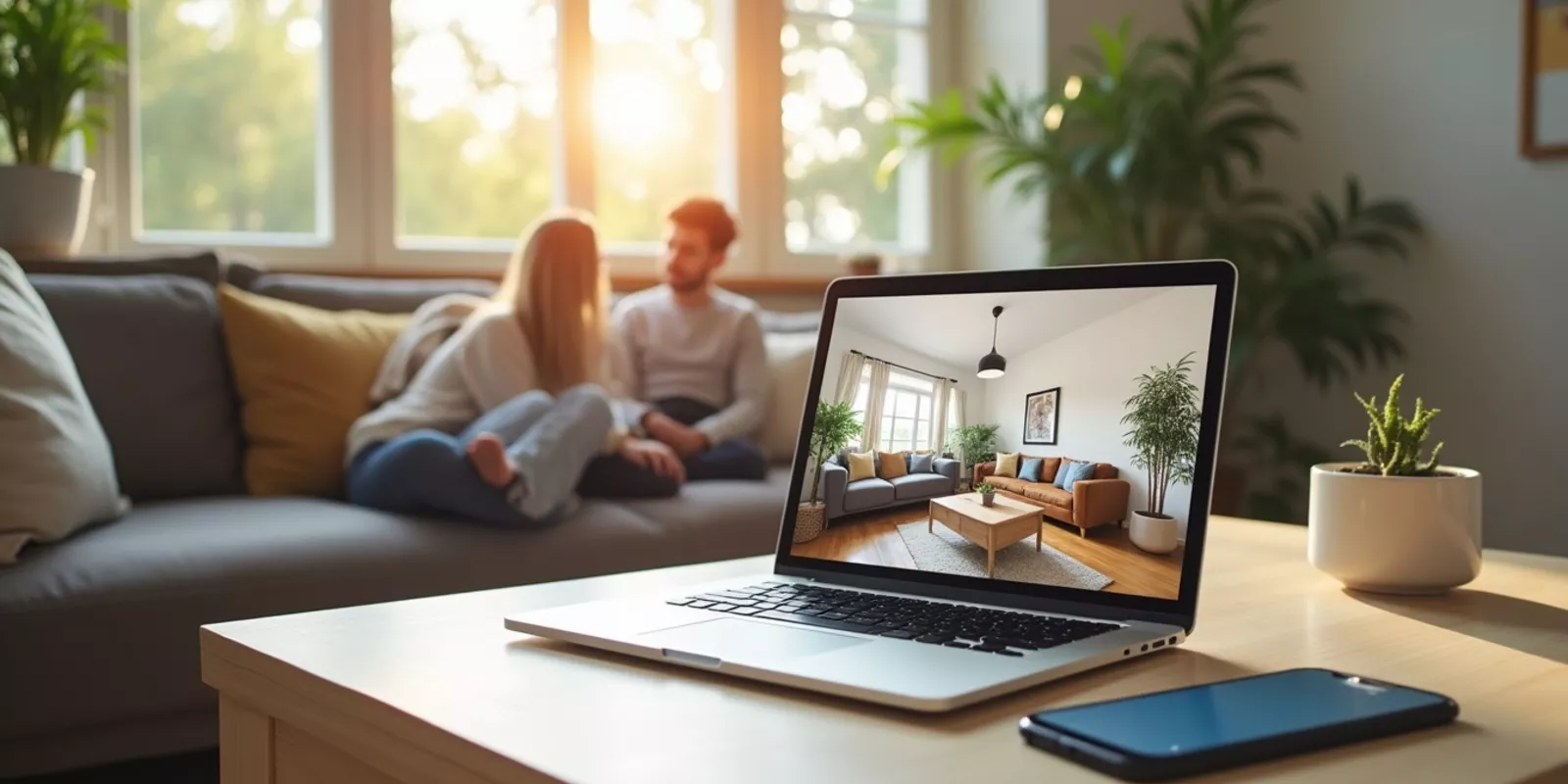
Additionally, using tools like Zoom or Google Meet for virtual tours allows you to inspect properties live. You should always ask for recent photos and video walkthroughs if a live tour isn't possible.
When I started my search, I found an apartment in Atlanta that seemed perfect. The listing had professional photos, but I needed to verify the authenticity. After scheduling a virtual tour, I asked specific questions about the neighborhood, amenities, and lease terms.
The landlord was responsive and provided additional photos showing the building's exterior and nearby parks. This transparency helped build trust.
I faced a challenge when negotiating the lease terms. Initially, the rent was above my budget. I communicated my concerns via email and backed them up with comparable market data from sites like Zillow. The landlord agreed to lower the rent slightly after understanding my position.
The final step was signing the lease. Using electronic signature platforms such as DocuSign, I signed all documents digitally. This process made it easy for both parties to keep track of agreements without needing to meet in person.
If you’re uncertain about any part of leasing remotely, reach out for help!
Don’t hesitate to ask questions during your virtual tours—it's your right as a tenant!
Remember to keep all communication documented for your records.
Yes, most landlords accept electronic signatures via platforms like DocuSign or Adobe Sign.
Focus on location, safety, amenities, and communication responsiveness from the landlord.
Research online reviews of landlords or management companies and request recent photos or video tours before signing anything.
Document everything with photos and written communication. Reach out to your landlord promptly with any concerns.
This varies by state law and your lease terms. Always review your agreement carefully before taking action.
LUCIA LLERENA has extensive experience helping individuals navigate remote leasing processes successfully. If you're considering leasing from abroad or have questions about the process, feel free to get in touch with me at (195) 422-64447.

Originally from Peru, I bring an international background and over two decades of experience living in South Florida. My journey through Canada and Texas shaped my understanding of diverse markets and multicultural clients — perspective that today strengthens the way I represent buyers, sellers, and investors.
I believe real estate is more than a transaction. It’s about strategic decisions, long-term vision, and guiding each client with clarity, professionalism, and care.
Understanding Hurricane Shutter Maintenance for Renters
This article explores the maintenance responsibilities for hurricane shutters and impact windows in rental properties. Through personal experiences and case studies, it clarifies whether tenants face additional charges for upkeep, emphasizing the importance of understanding lease agreements.
Hurricane Protection: Shutters vs. Impact Windows
Hurricane shutters and impact windows are essential for protecting homes in storm-prone areas. This article explores their benefits, differences, and real-life case studies, helping homeowners make informed decisions about safeguarding their properties from hurricanes.
Living Well in Rental Communities: A Practical Guide
Explore the benefits of living in rental communities, including diverse amenities, social opportunities, and practical insights. Discover real-life examples of unique communities that enhance lifestyle, making it easier to connect and thrive in your living space.