Hurricane Impact on South Florida Property Values
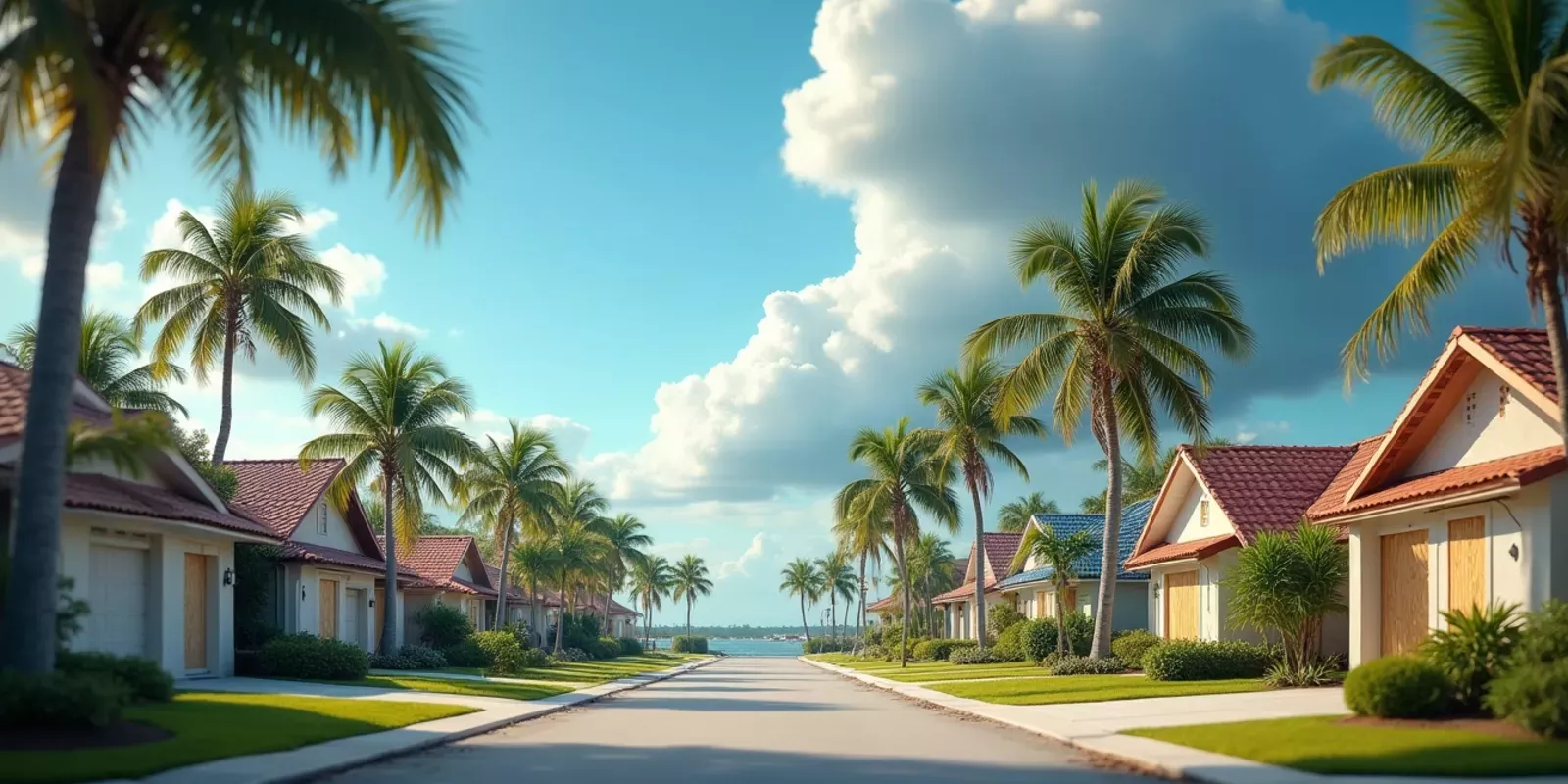
Hurricanes have a significant impact on property values in South Florida. From insurance costs to market demand, understanding these effects is crucial for homeowners and investors alike. In this article, we will explore how hurricanes influence property values, backed by real-life examples and insights.
Living in South Florida comes with its perks—beautiful beaches, vibrant culture, and warm weather year-round. However, the region's susceptibility to hurricanes raises concerns about property values. Homeowners must navigate a complex landscape shaped by the threat of severe weather. The aftermath of hurricanes can dramatically alter the real estate market, impacting everything from home prices to insurance rates.
Hurricanes can lead to immediate and long-term effects on property values. When a storm approaches, potential buyers often hesitate, causing a temporary dip in demand. After the storm passes, properties that have sustained damage typically see a decline in value due to repair costs and negative perceptions.
Insurance costs also rise after significant hurricane events. Insurers reassess risk levels based on recent data, leading to higher premiums for homeowners. This increase can make owning property less appealing, further influencing market demand.
Moreover, neighborhoods known for frequent hurricane damage may struggle to attract buyers. On the flip side, homes located in areas perceived as safer or less vulnerable may see an increase in value as people seek refuge from the storms.
Over time, some areas may recover and even flourish post-hurricane due to rebuilding efforts and urban development. Others might continue to suffer from depressed property values if recovery is slow or inadequate.
Considering buying or selling property in South Florida? Understanding hurricane impacts can help you make informed decisions.
In 2017, Hurricane Irma hit Miami Beach hard. Properties close to the water suffered extensive flooding, leading to a noticeable decline in values for several months post-storm. Many sellers had to lower their asking prices significantly.
However, the city invested heavily in infrastructure improvements and flood prevention measures after Irma. By 2019, some neighborhoods began to see a resurgence in property values as confidence returned among buyers.
Fort Lauderdale faced similar challenges during Hurricane Dorian in 2019. Although it ultimately spared the city, its threat led many potential buyers to reconsider investments in coastal properties.
The fear of future storms caused some homeowners to list their properties at lower prices than they initially expected. Nevertheless, high-end properties near the beach saw increased interest from affluent buyers seeking luxury homes that incorporated hurricane-resistant designs.
If you're unsure about the value of your property post-hurricane, consider reaching out to local real estate experts for an evaluation.
Naples was affected by Hurricane Ian in 2022. Many homes were damaged or destroyed along the coastline. Property values initially plummeted as residents grappled with extensive repairs and cleanup efforts.
Yet Naples has shown resilience; the local government launched programs to assist homeowners with reconstruction and mitigation strategies. As new developments emerged featuring modern building codes and materials designed for hurricane resistance, property values began to stabilize and even rise again within two years.
Rebuilding after a hurricane is not just about restoring homes; it's about creating safer communities. Don't hesitate to consult with experts who understand this process well.
After hurricanes, insurance companies often reassess risks leading to increased premiums for homeowners in affected areas.
Generally, inland areas or regions farther from the coast may experience less impact during hurricane season compared to coastal towns.
Consider factors like flood zones, building codes, and recent weather-related history of the area before making a purchase.
Permanently lower values depend on multiple factors including recovery efforts and future risk perception among buyers. Some areas recover fully over time.
Hurricane-resistant features include impact windows, reinforced roofs, and elevated foundations that can withstand severe weather conditions better than standard constructions.
LUCIA LLERENA has extensive experience navigating the intricacies of South Florida real estate amidst hurricane threats. If you have questions or need guidance on buying or selling property in this unique market, feel free to reach out for personalized advice.

Originally from Peru, I bring an international background and over two decades of experience living in South Florida. My journey through Canada and Texas shaped my understanding of diverse markets and multicultural clients — perspective that today strengthens the way I represent buyers, sellers, and investors.
I believe real estate is more than a transaction. It’s about strategic decisions, long-term vision, and guiding each client with clarity, professionalism, and care.
Is Now the Right Time to Buy a House in Florida?
In this article, we explore whether it's a good time to buy a house in Florida, examining current market trends, case studies from first-time buyers and investors, and practical tips for navigating the competitive real estate landscape.
Hurricane Protection: Shutters vs. Impact Windows
Hurricane shutters and impact windows are essential for protecting homes in storm-prone areas. This article explores their benefits, differences, and real-life case studies, helping homeowners make informed decisions about safeguarding their properties from hurricanes.
What to Know Before Moving to Miami
Moving to Miami offers a vibrant lifestyle with diverse cultures, but it's important to consider the cost of living, climate, neighborhoods, job market, and transportation. This article provides practical insights and real experiences to help you prepare for your new life.