Florida Horse Property Buying Guide for International and Relocating Buyers

In this guide, I'll walk you through the process of buying an equestrian property in Florida, especially for buyers coming from other states or countries. Understanding local regulations, necessary documentation, and selecting the right areas can be challenging. This guide aims to simplify that journey for you.
Buying an equestrian property in Florida is an exciting venture, but it can also be overwhelming, especially for out-of-state or international buyers. The landscape varies widely across Florida, and each region offers unique opportunities and challenges for horse owners. With a bit of guidance, you can navigate this process smoothly.
The process begins with understanding what type of equestrian property suits your needs. Do you want a small farm or a large estate? Once you've defined your criteria, the next steps include:
Documentation is crucial when purchasing a property in Florida. Here are the primary documents you will need:
Florida offers diverse regions ideal for equestrian properties. Here are a few key areas to consider:
A buyer from Texas reached out wanting to purchase a small farm in Ocala. They focused on properties near training facilities. After several visits and discussions with local agents, they found a charming two-acre lot with a modest barn and riding arena.
A family relocating from Canada wanted space for their horses and children. They opted for Loxahatchee due to its spacious properties. After touring several homes, they settled on one with five acres and room for future expansion.
An investor from Europe was interested in Palm Beach due to its high-end market potential. They consulted with real estate experts who helped them navigate local regulations and eventually purchased a luxury property that was already being used as a boarding facility.
If you're considering investing in an equestrian property in Florida, don't hesitate to reach out for personalized advice!
The average price varies widely depending on location. In Ocala, prices can range from $300,000 to over $1 million depending on acreage and amenities.
While it's not mandatory, having a local real estate agent can greatly simplify the process. They understand the market and can help you find suitable properties quickly.
Zoning regulations vary by county. Generally, you'll want to ensure that the property is zoned for agricultural use if you plan to keep horses.
Yes, you may need specialized insurance covering liability related to horse ownership and operations.
The buying process can take anywhere from 30 days to several months, depending on financing and inspections needed.
If you have more questions about buying an equestrian property in Florida or want help finding your dream place, let's connect!
Your journey towards owning an equestrian property in Florida starts now! Reach out for tailored support!
As someone deeply immersed in Florida's real estate landscape, I invite you to connect with me directly. My expertise can help clarify your path toward acquiring your perfect equestrian property. Don't hesitate to reach out at 19542264447!
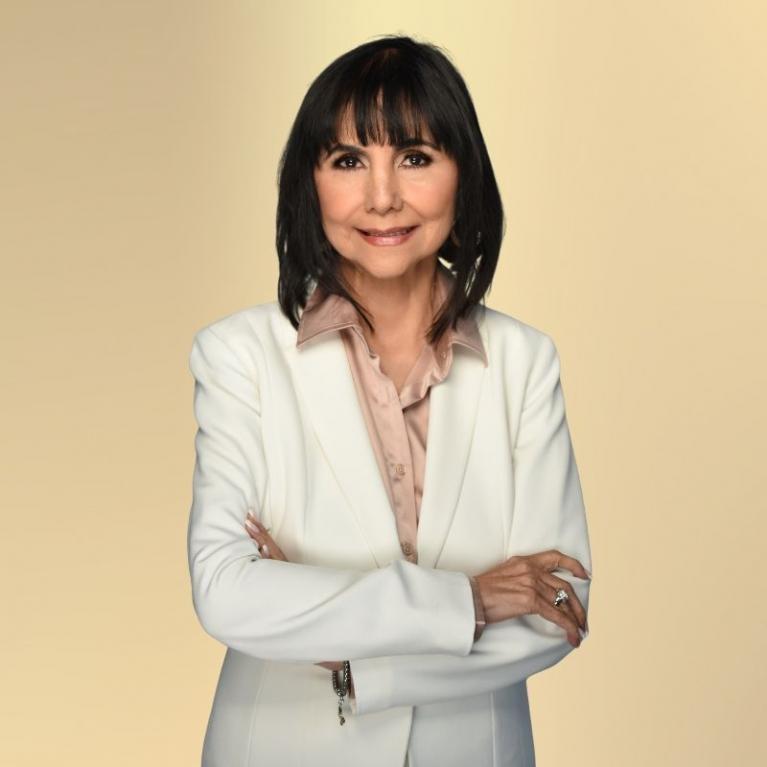
Originally from Peru, I bring an international background and over two decades of experience living in South Florida. My journey through Canada and Texas shaped my understanding of diverse markets and multicultural clients — perspective that today strengthens the way I represent buyers, sellers, and investors.
I believe real estate is more than a transaction. It’s about strategic decisions, long-term vision, and guiding each client with clarity, professionalism, and care.
What should I know before buying a house?
Buying a house is a major milestone that requires careful planning and research. Key considerations include budget, location, market trends, and home inspections. Real-life case studies can offer valuable insights for first-time buyers, downsizers, and investors.
What questions should you ask when buying a house?
Buying a house requires careful consideration and asking the right questions. This article offers practical insights, case studies, and essential queries to help navigate the home-buying process effectively, ensuring informed decisions for first-time and seasoned buyers alike.
What are closing costs, and how do they work?
Closing costs are essential fees involved in property transactions, typically ranging from 2% to 5% of the purchase price. Understanding these costs is crucial for buyers and sellers alike to avoid surprises during the closing process.