Considering buying a horse property? It’s a big decision with many factors to weigh. From land size to zoning laws, every detail matters. I’ve gone through the process myself and have learned some key insights that can help you make an informed choice.
When I first started looking for horse properties, I was overwhelmed by the options. The right property can enhance your riding experience and provide a safe environment for your horses. However, it also comes with responsibilities. You need to consider various factors carefully to avoid costly mistakes.
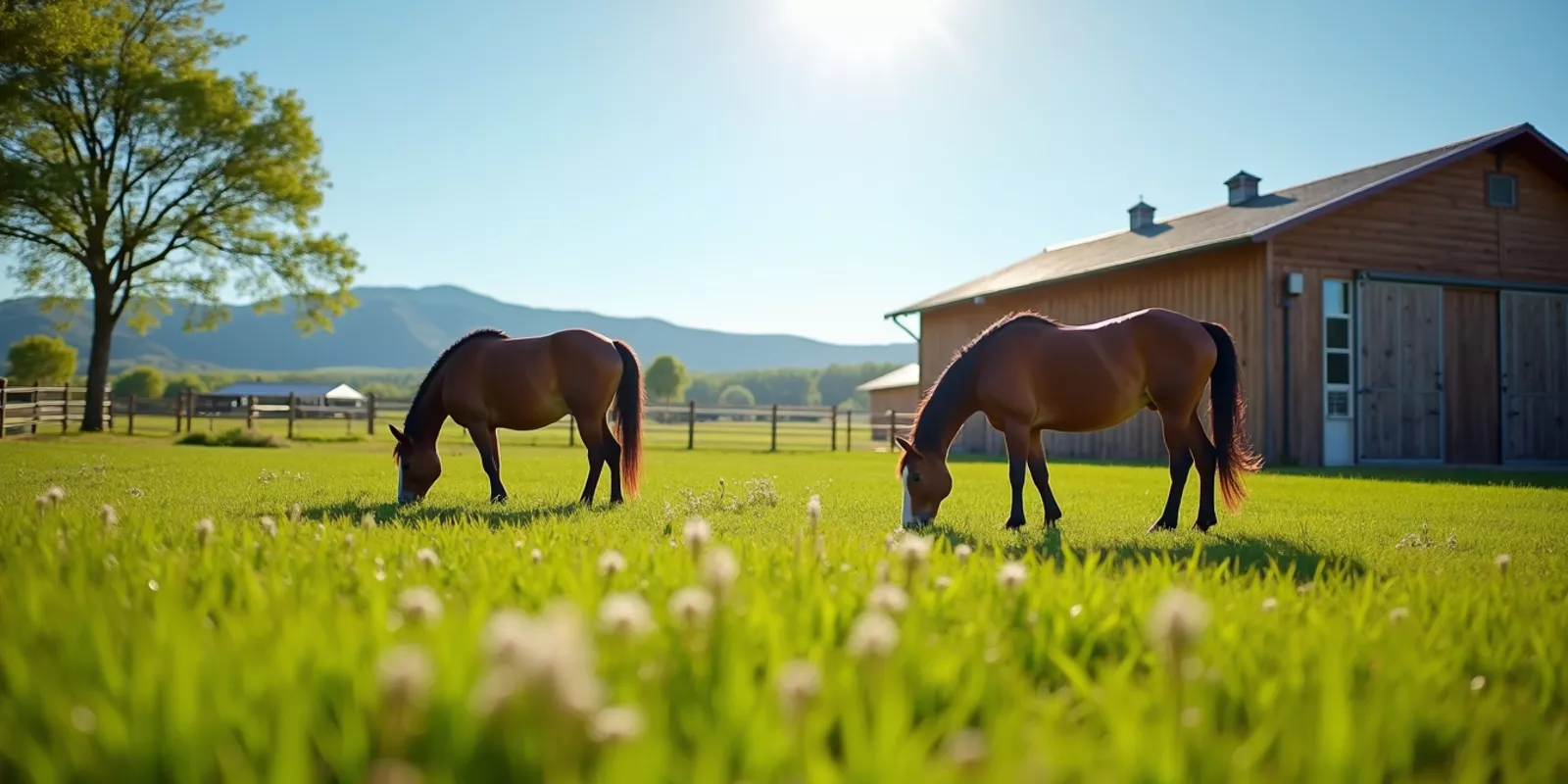
The amount of land you need depends on how many horses you plan to keep. Generally, it is recommended to have at least 1-2 acres per horse for grazing and exercise. In addition to space, soil quality is critical for maintaining healthy pastures.
Good drainage prevents mud, which can lead to hoof issues. A property with sandy loam soil often offers better drainage than clay-heavy areas. Before purchasing, I made sure to check soil conditions by walking the land after a rainstorm.
Secure fencing is crucial. Wooden fences look great but require more maintenance. Wire fencing is durable but may not be as visually appealing. On my property, I opted for a combination of both. It balanced aesthetics and practicality.
Zoning laws dictate how you can use the land. Not all properties allow for horse keeping. I learned this the hard way when I fell in love with a property only to find out it wasn’t zoned for livestock.
Some areas may require permits for barns or stables. It's wise to check with local authorities before buying. I spoke with neighbors who had already navigated the system, which gave me valuable insights into potential hurdles.
If you’re considering a property in an HOA community, review their rules carefully. Some HOAs restrict animal ownership or have specific requirements about structures on the property. When I bought my house, understanding these rules helped avoid future conflicts.
A friend of mine purchased a beautiful ranch without doing enough research on its water supply. He later discovered the well was insufficient for his needs during summer months. This taught me the importance of checking water resources thoroughly before committing.
Another acquaintance found her ideal property by focusing on what she truly needed rather than what looked good at first glance. She prioritized usable land over aesthetics and ended up with a perfect layout for her horses and training area.
I once met someone who had bought a lovely piece of land only to discover it was not zoned for agricultural use. This led to lengthy disputes with local authorities, causing stress and unexpected expenses. Learning from such cases can save you from similar issues.
Ready to start your journey? Feel free to reach out if you have questions about horse properties!
The common recommendation is at least 1-2 acres per horse for proper grazing and exercise space.
You can contact local zoning offices or check online resources related to your area’s land use policies.
A good barn should have proper ventilation, sufficient space per horse, and easy access to feed and water sources.
Soil quality impacts pasture health directly, affecting your horses' nutrition and overall well-being.
This depends on the specific rules of the HOA regarding livestock ownership, so always verify before buying.
If you want more personalized advice or insights! Don't hesitate to contact me anytime!
I’m here to help! Reach out if you have any further questions or need assistance navigating this process!
LUCIA LLERENA has extensive experience in equine property investments and understands what buyers need to consider before making a purchase. Feel free to get in touch if you're looking for trusted guidance on finding the right horse property for you.

Originally from Peru, I bring an international background and over two decades of experience living in South Florida. My journey through Canada and Texas shaped my understanding of diverse markets and multicultural clients — perspective that today strengthens the way I represent buyers, sellers, and investors.
I believe real estate is more than a transaction. It’s about strategic decisions, long-term vision, and guiding each client with clarity, professionalism, and care.
Buy or Rent in Miami: Making the Right Choice
Deciding whether to buy or rent in Miami involves evaluating financial readiness, lifestyle preferences, and market conditions. This article explores the pros and cons of each option, supported by real-life case studies, to help you make an informed decision.
Real Estate Investment and U.S. Residency Myths
Many foreign buyers mistakenly believe that purchasing property in the U.S. guarantees a visa or residency. This article clarifies the misconception, sharing real case studies and practical insights on the relationship between real estate investment and immigration.
Buying Property: Name vs. LLC Considerations
This article explores the decision of whether to buy property under your own name or through a Limited Liability Company (LLC). It discusses the pros and cons of each option, provides case studies, and answers frequently asked questions to help readers make informed choices.