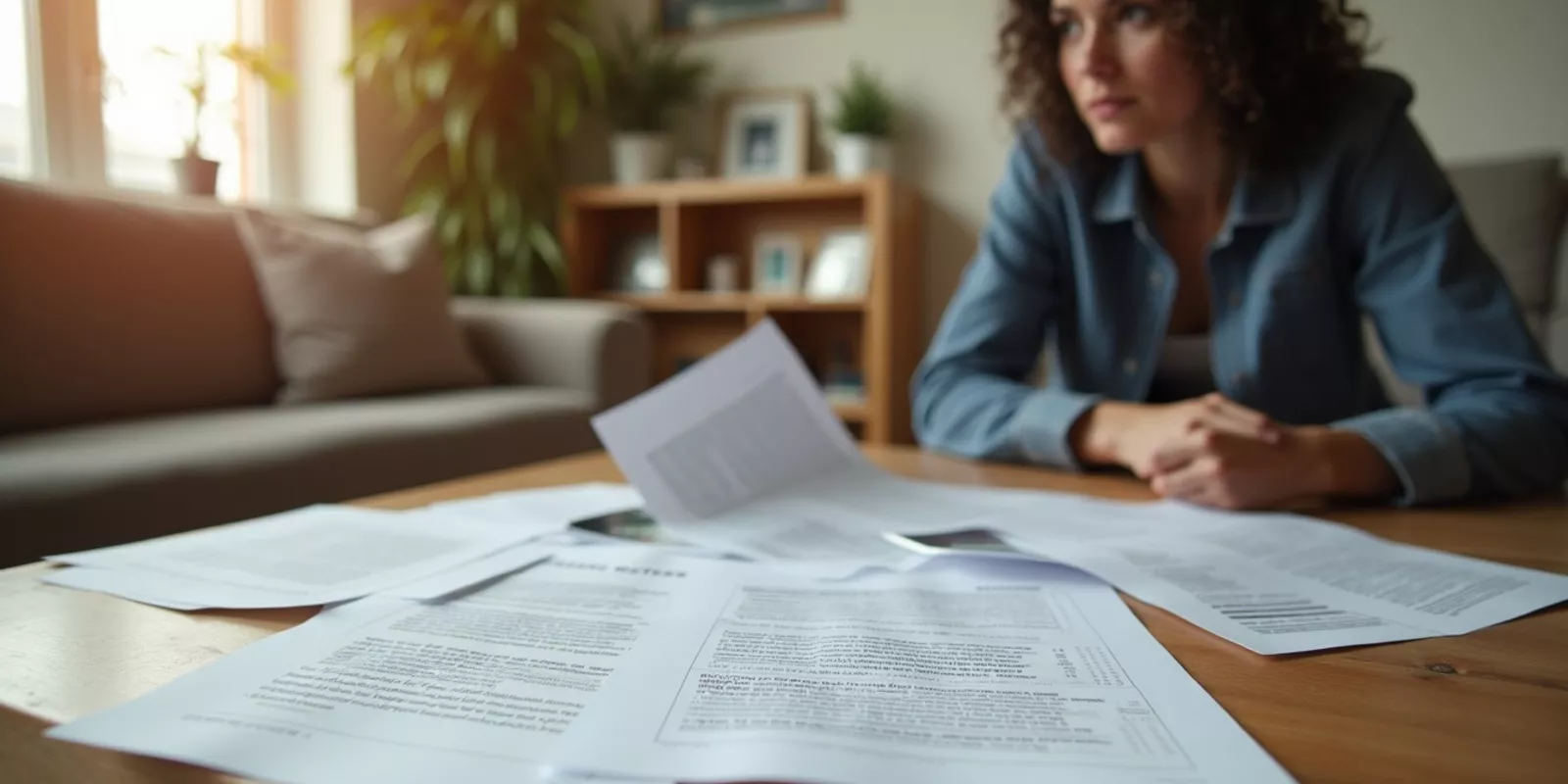
Understanding what documents you need to sell a property is crucial for a smooth transaction. This guide outlines the necessary paperwork, real-life examples, and tips for navigating the selling process. Whether you're a first-time seller or have experience in real estate, knowing these details can save time and reduce stress.
When selling a property, you'll need several important documents. These vary by location but generally include:
Gathering these documents early can prevent delays. I learned this lesson the hard way during my first sale when I had to scramble at the last minute to find my title deed.
As you prepare your documents, keep in mind that buyers may want to see additional information like home inspection reports or warranties on appliances. It’s better to be over-prepared than under-prepared.
John was selling his condo in a bustling area. He had all his paperwork organized, including the HOA documents. However, he realized too late that he needed a recent property survey for potential buyers. After some back and forth, he managed to get it done, but it delayed his sale by two weeks.
“Being proactive with your documentation can save you from unnecessary delays.”
Maria decided to sell her family home after years of living there. She had the title deed and tax records but forgot to disclose that her roof had been replaced recently due to damage. This oversight caused trust issues with potential buyers, making them hesitant to proceed. Once she clarified the situation and provided receipts for the repairs, interest resumed.
“Always be transparent with potential buyers; it builds trust.”
David owned several rental properties and wanted to sell one. He thought he had everything covered until he discovered he needed updated disclosure statements about plumbing issues that had been fixed recently. This requirement caught him off guard and led to a delay in closing. After addressing this, he found buyers were much more receptive.
“Stay updated on local regulations regarding property disclosures.”
A title deed is a legal document that establishes ownership of a property. It includes details like the property's description and any liens against it.
An attorney is not always required but can be helpful for reviewing documents and ensuring compliance with local laws.
This varies greatly depending on your situation. Having most documents ready can take a few days to a couple of weeks if they need updating or gathering from different sources.
Disclosure statements inform potential buyers of known issues with the property, such as past flooding or major repairs made. They help protect sellers from future legal disputes.
You can attempt to sell without all documents, but it may complicate the sale process significantly and could deter potential buyers.
If you're feeling overwhelmed by the paperwork involved in selling your property, don't hesitate to reach out for guidance. My name is LUCIA LLERENA, and I specialize in helping individuals navigate real estate transactions smoothly. Feel free to contact me for personalized assistance!

Originally from Peru, I bring an international background and over two decades of experience living in South Florida. My journey through Canada and Texas shaped my understanding of diverse markets and multicultural clients — perspective that today strengthens the way I represent buyers, sellers, and investors.
I believe real estate is more than a transaction. It’s about strategic decisions, long-term vision, and guiding each client with clarity, professionalism, and care.
How to Accurately Determine Your Property Value
Understanding your property's true value is essential for informed real estate decisions. This article explores various methods to assess property worth, including Comparative Market Analysis, online tools, and professional appraisals, along with real-life case studies.
Is It the Right Time to Sell in Fort Lauderdale?
This article discusses whether it's a good time to sell property in Fort Lauderdale. It examines current market trends, presents real-life case studies, and offers practical advice on pricing and preparing homes for sale. Insightful FAQs are included for guidance.
What Buyers See When Entering a House
When buyers enter a house, first impressions are crucial. This article explores the key elements that influence their perception, including entryway aesthetics, living room ambiance, and kitchen functionality.