Best Neighborhoods to Invest in South Florida Real Estate for Long-Term Appreciation in 2026
In this guide, we explore the long-term capital appreciation potential for real estate investors. We'll analyze key factors driving property value growth and examine case studies of neighborhoods like Little Havana, Victoria Park, and Northwood Village. Additionally, we'll provide criteria for evaluating emerging neighborhoods and highlight potential risks.
Investing in real estate for long-term capital appreciation can be a rewarding strategy. However, understanding what drives property values is crucial. Factors like location, community development, and economic trends all play a significant role. My own experience investing in different neighborhoods has taught me the importance of thorough research.
Several elements contribute to increasing property values. Here are some key factors to consider:
For instance, when I purchased a small condo in Little Havana five years ago, I saw how local investments in parks and restaurants began attracting younger residents. This shift led to significant value appreciation over time.
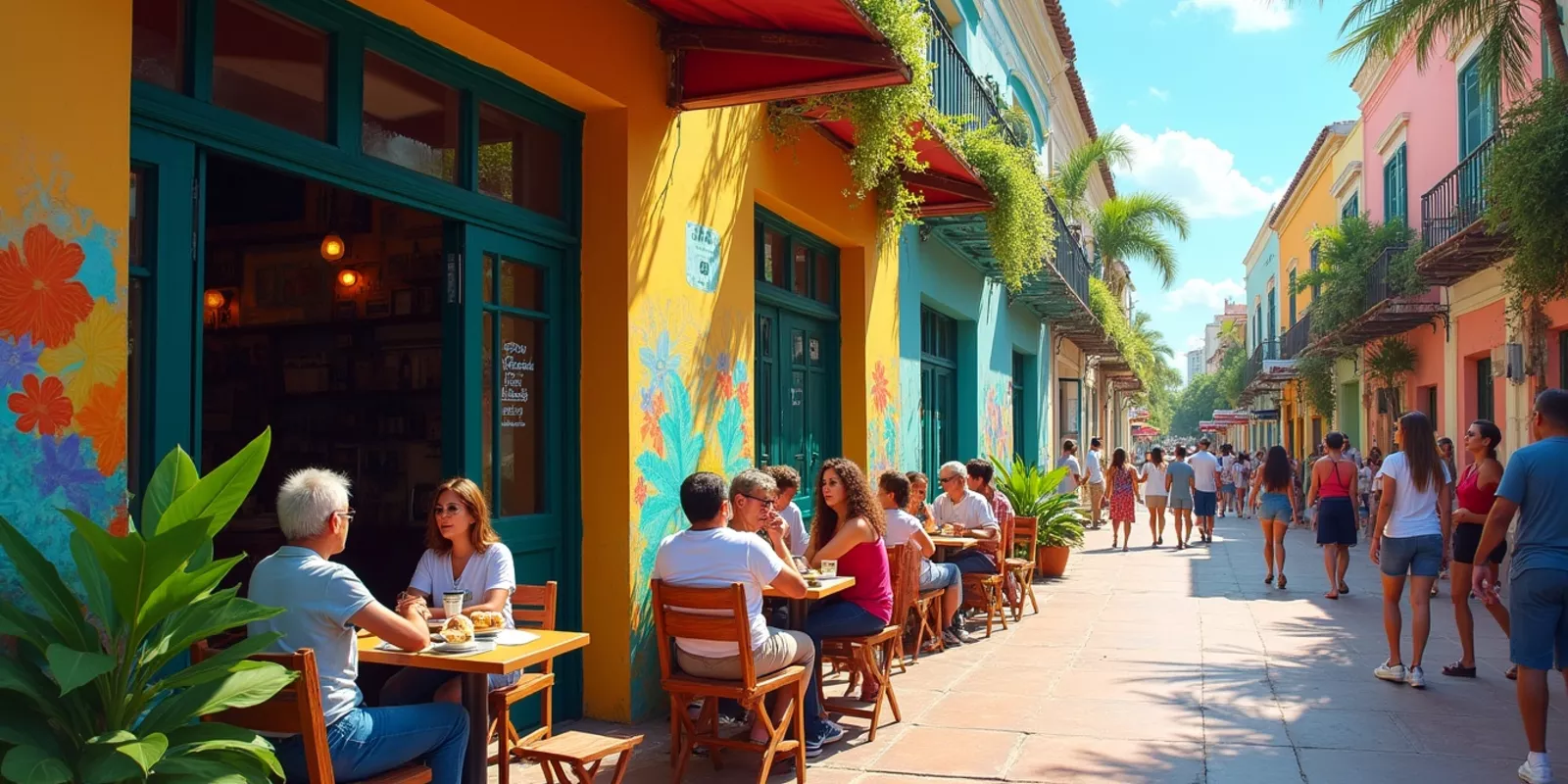
This vibrant neighborhood in Miami has transformed over the last decade. Once considered a hidden gem, it's now a hotspot for both investors and young professionals. The introduction of trendy eateries and cultural events has spurred interest.
Located near Fort Lauderdale, Victoria Park combines historic charm with modern amenities. Its proximity to the beach and downtown has made it attractive. Recent upgrades to local parks have only increased its desirability.
This up-and-coming area in West Palm Beach shows promise for investors seeking growth. With a mix of artists moving in and renovations happening to older homes, Northwood Village is positioned for appreciation.
Curious about how these neighborhoods might fit into your investment strategy? Let's discuss!
When assessing new areas for investment, consider the following criteria:
If you're ready to explore opportunities in these emerging neighborhoods, I'm here to help!
Capital appreciation refers to the increase in the value of an asset over time. In real estate, this means properties gaining worth due to various factors like market demand or improvements made to the area.
Research local developments, demographic trends, and infrastructure projects. Observing areas undergoing revitalization can also provide clues about future growth.
Market fluctuations can affect property values. Economic downturns or changes in neighborhood dynamics may also impact your investment's performance.
This depends on your risk tolerance and investment goals. Established areas might offer more stability, while emerging neighborhoods could yield higher returns if they develop as anticipated.
Look at current rental rates compared to mortgage costs. Evaluate demand for rentals based on local job growth and amenities available nearby.
If you have further questions or want personalized advice on real estate investments, feel free to reach out!
LUCIA LLERENA is here to assist you in navigating the complexities of real estate investment for capital appreciation. With extensive knowledge and firsthand experience in various neighborhoods, I can provide tailored insights that suit your investment goals. Don't hesitate to get in touch!

Originally from Peru, I bring an international background and over two decades of experience living in South Florida. My journey through Canada and Texas shaped my understanding of diverse markets and multicultural clients — perspective that today strengthens the way I represent buyers, sellers, and investors.
I believe real estate is more than a transaction. It’s about strategic decisions, long-term vision, and guiding each client with clarity, professionalism, and care.
Where Should You Invest in South Florida? Top Emerging Neighborhoods With the Highest Growth Potential
In today's real estate market, identifying areas with high growth potential is crucial for investors. By analyzing key indicators like population growth, job opportunities, and infrastructure development, investors can spot promising markets before they become competitive.
Understanding Cap Rate in Real Estate Investing
The cap rate, or capitalization rate, is a key metric in real estate investment that helps assess a property's potential return. It is calculated by dividing net operating income by the property’s value, guiding investors in making informed decisions.
Buying Homes: Miami-Dade vs. Broward County Insights
This article explores the differences between buying properties in Miami-Dade and Broward County. It covers market dynamics, price trends, neighborhood characteristics, and shares real-life case studies to help prospective buyers make informed decisions.