Airbnb Regulations Every Miami Host Should Know
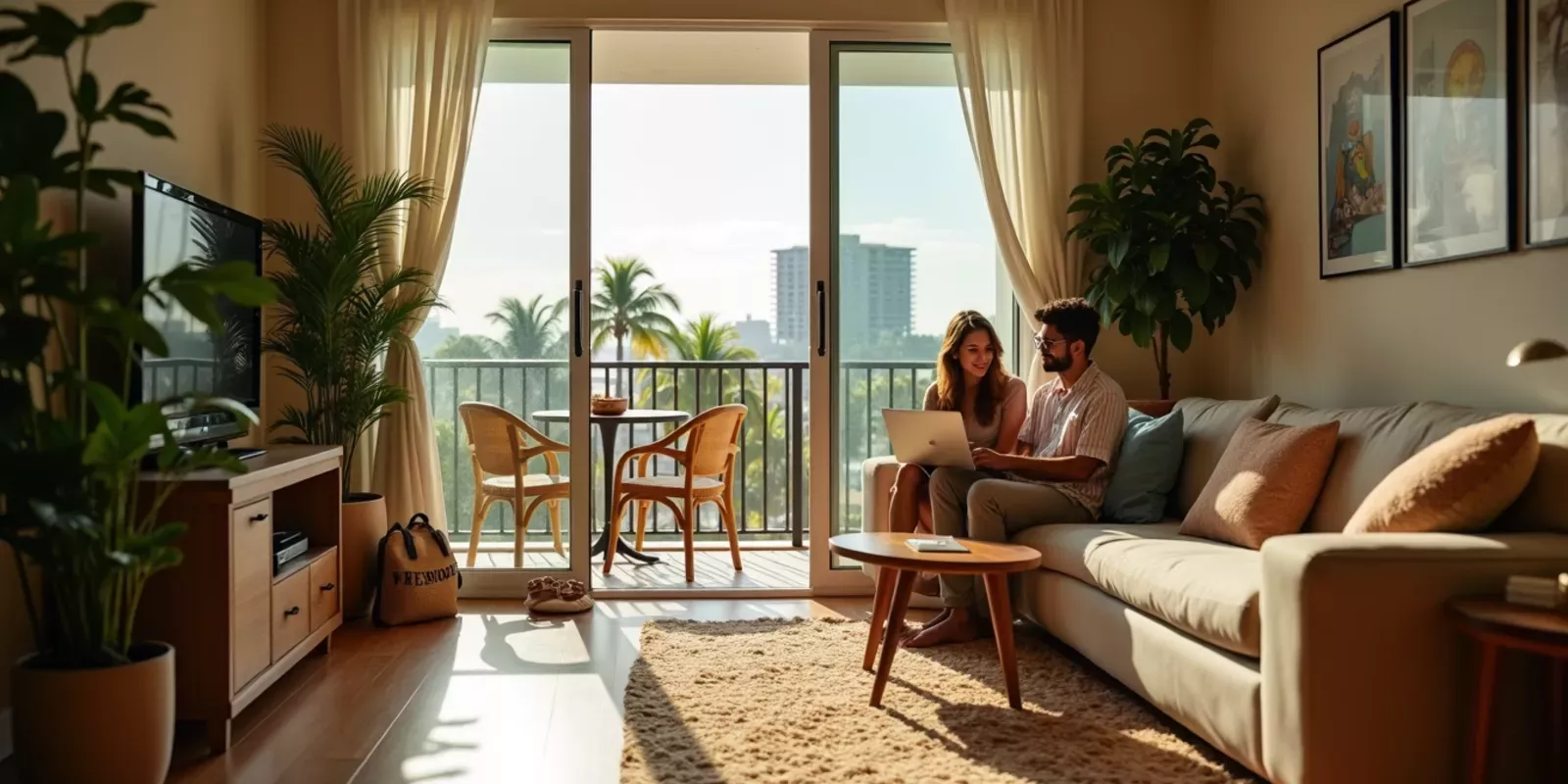
Understanding Airbnb rules in Miami is essential for hosts and guests alike. The city's regulations have specific guidelines that impact rental operations, ensuring compliance and safety. This article will provide an overview of the key rules, practical case studies, and insights into navigating the local rental landscape.
Miami's vibrant tourism scene makes it a hotspot for short-term rentals through platforms like Airbnb. However, the city has implemented strict rules to regulate these rentals. Understanding these regulations can help hosts avoid fines and provide guests with a safe experience. Whether you are considering hosting or planning a visit, knowing the ins and outs of Miami’s Airbnb rules is vital.
In Miami, several key rules govern short-term rentals:
The first step for any potential host is obtaining a license from the City of Miami. This involves submitting an application and paying a fee. Failing to secure this license can lead to significant fines. For example, one host learned this the hard way when they received a $1,000 fine for operating without proper registration.
A unique aspect of Miami’s regulations is the requirement that hosts must occupy their properties for at least half the year. This rule aims to prevent the proliferation of purely investment-driven rentals. A friend of mine tried to list their entire condo but quickly realized they had to reside there part-time, which changed their hosting plans entirely.
Liability insurance is crucial for protecting both hosts and guests. The city mandates that hosts have coverage specifically for short-term rentals. One host shared that they found peace of mind after securing a policy that met city requirements, making them more comfortable welcoming guests into their home.
Consider investing in comprehensive insurance to protect yourself as a host. It’s not just a requirement; it’s smart business.
A couple in South Beach decided to rent out their apartment while traveling for six months. They followed all regulations: obtained their license, ensured they had adequate insurance, and even made changes to comply with noise ordinances in their building. Their thoughtful approach resulted in positive reviews and repeat bookings.
A single host faced challenges when neighbors complained about noise during late-night gatherings. To resolve this, she reached out to local authorities and adjusted her rental policies by enforcing stricter house rules regarding noise levels. This proactive approach not only helped her stay compliant but also improved her relationship with neighbors.
If you run into issues with compliance, don’t hesitate to reach out to local officials or other hosts for guidance. Community support can be invaluable.
A guest visiting from New York booked an Airbnb in Wynwood but was unaware of the local laws regarding noise restrictions. After receiving a warning from the host about keeping noise levels down, he appreciated the communication and adjusted his plans accordingly. His positive interaction left him eager to return, emphasizing how clear expectations benefit everyone involved.
Your experience as a guest can set expectations for future stays. Communicate openly with your hosts for a smoother experience.
Penalties can include fines ranging from $1,000 to $10,000 depending on the violation's severity, as well as potential eviction from properties not meeting local requirements.
Yes, you must obtain a short-term rental license from the City of Miami before you can legally list your property on platforms like Airbnb.
No, under current regulations, you must reside on the property for at least half of the year to qualify as a short-term rental host.
The city employs inspectors who monitor listings and respond to complaints from neighbors regarding noise or other disturbances related to short-term rentals.
Yes, many online forums and local meetups offer advice on navigating Miami’s regulations effectively while sharing experiences with other hosts.
LUCIA LLERENA has extensive experience in navigating Airbnb regulations in Miami and can help clarify any questions you may have about hosting or staying in this vibrant city. Feel free to reach out for personalized advice tailored to your needs!

Originally from Peru, I bring an international background and over two decades of experience living in South Florida. My journey through Canada and Texas shaped my understanding of diverse markets and multicultural clients — perspective that today strengthens the way I represent buyers, sellers, and investors.
I believe real estate is more than a transaction. It’s about strategic decisions, long-term vision, and guiding each client with clarity, professionalism, and care.
Is Buying Property in an Emerging South Florida Neighborhood Worth the Risk?
This article explores the advantages and risks of investing in emerging neighborhoods versus established areas. It examines factors like volatility, potential returns, time horizons, and liquidity while providing real-life case studies to illustrate these concepts.
Understanding Foreclosure Property Market Dynamics
The article explores the fast-paced world of foreclosure properties, discussing key factors affecting their market speed. It includes real-life case studies, practical advice for potential buyers, and answers to common questions about the foreclosure process and its challenges.
Is Buying an Equestrian Property in Florida a Good Real Estate Investment?
This article explores whether equestrian properties are a good investment, discussing market trends, historical appreciation, risks, and opportunities. It includes case studies, insights on investor profiles, and practical advice for those considering entering this niche market.